
CHECK OUT OUR FREE BEGINNER COURSE
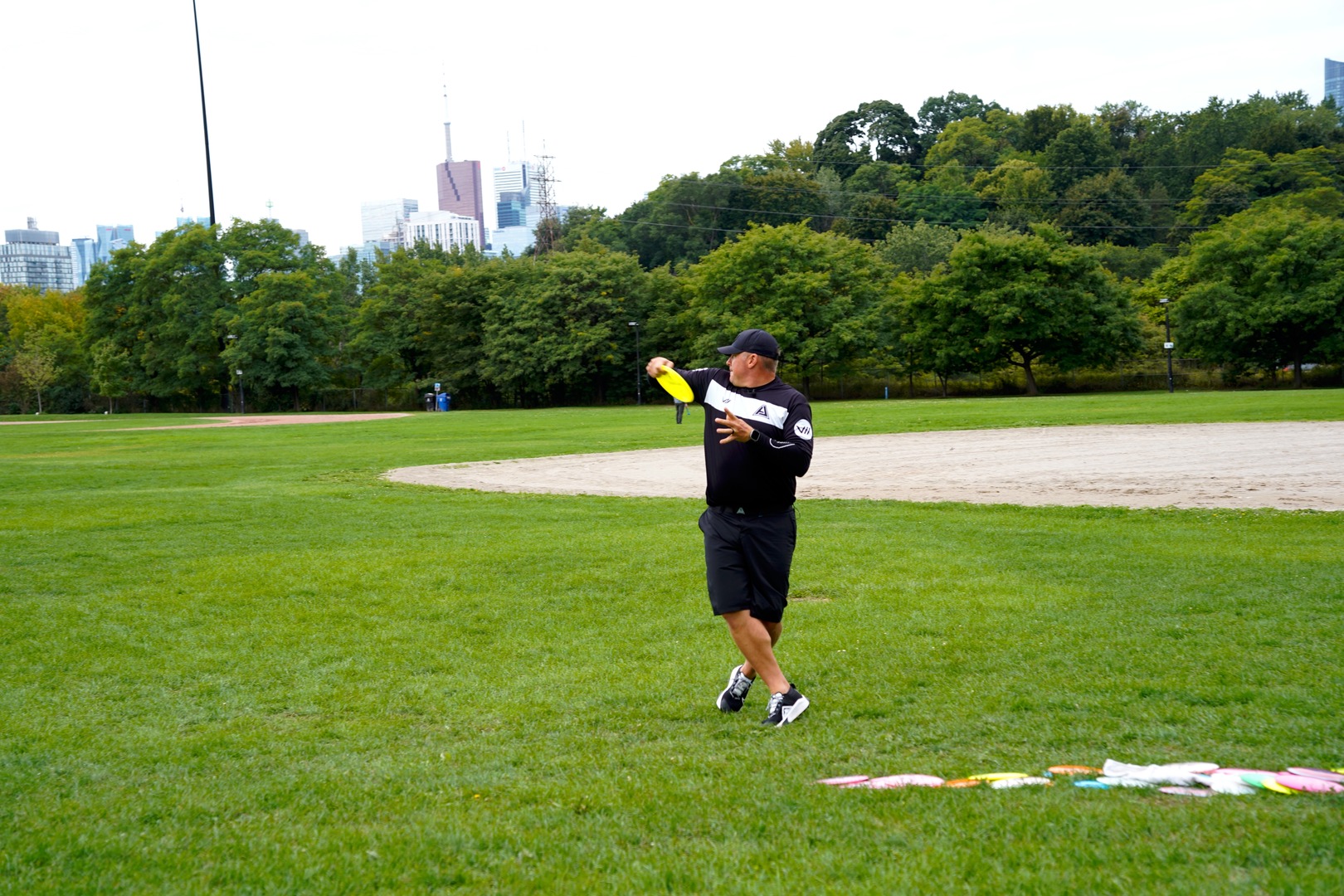

Backhand Shot Shaping
The Art of Disc Mastery
Backhand Shot Shaping
The Art of Disc Mastery
Ongoing Course
Kurssi info
Kurssi info
In the course you learn:
Shape intentional backhand lines with different discs
Control flight using angle, speed, and spin
Understand how pros manipulate mid-flight direction
Build trust through repetition and field practice
Unlock multiple solutions for tough fairways
Knowledge on various discs
This course represents the pinnacle of backhand throwing. Guided by World Champion Avery Jenkins, you will learn advanced techniques for shaping shots with a wide range of discs and understand how elite players manipulate flight to solve even the toughest fairways.
Disc golf is unique among sports. In no other game does the tool itself change direction mid-flight based on angle, speed, and spin. In this course, you will discover why that happens and how to use it intentionally to your advantage.
This course is designed to elevate your game to the next level. You may already have an idea of how professional players shape lines through the woods, but here you will gain a complete, high-level understanding of shot shaping from concept to execution.
A key theme throughout the course is patience and commitment. True shot shaping requires a solid understanding of flight and consistent field practice. As Avery emphasizes throughout the lessons, this is not something learned overnight. It is a skill developed over time through repetition and trust in your discs.
If you are willing to put in the work and practice these shot shapes in the field, you will experience the course in a completely new way. With the ability to create multiple lines on demand, you will gain the freedom and confidence to navigate even the most demanding fairways.
This course is upcoming. Next Update will Be IN
Be sure to come back. In the Meantime, see our other courses!
Lessons
Introduction to the Art of Disc Mastery
1
Introduction to the Art of Disc Mastery
1

Publish date
Introduction to the Art of Disc Mastery
1.
Introduction to the Art of Disc Mastery.
1
Introduction to the Art of Disc Mastery.
1
02:39
Publish date
Welcome to Art of Disc Mastery! This course will show you how to practice all the angles and trajectories you need to become a master at controlling your shots with a backhand.
Introduction to the Art of Disc Mastery.
1.
Recap of the flight numbers
1
Recap of the flight numbers
1
02:36
Publish date
Let's start by recapping what the numbers on the disc really mean. If you want to know more, go back to the "What is Disc Golf" -course to learn more!
Recap of the flight numbers
2.
Angles and Trajectories - what does all this mean
1
Angles and Trajectories - what does all this mean
1
05:59
Publish date
Next we discuss about the relationship between the release angle and the characteristics of the disc. This is done to build a reference point when we start to dive deeper into the more demanding flight paths.
Angles and Trajectories - what does all this mean
3.
Mastering the Drivers
2
Mastering the Drivers
2
Publish date
Mastering the Drivers
1.
Introduction to Driver Mastery
1
Introduction to Driver Mastery
1
01:53
Publish date
Let's start going through the slots in your bag. First is the drivers. These are the speed slots from 9 to 15 on the distance drivers and 9 to 7 on the fairway drivers.
Introduction to Driver Mastery
1.
Why disc stability is key
1
Why disc stability is key
1
02:30
Publish date
A quick reference on the stability ratings of the discs and why it is important to at least some degree to understand what your discs are capable of.
Why disc stability is key
2.
From hyzer to flat with a driver
1
From hyzer to flat with a driver
1
03:07
Publish date
We start by throwing a hyzer with a disc that will turn and fly straight.
From hyzer to flat with a driver
3.
Practicing the hyzer to flat with a driver
1
Practicing the hyzer to flat with a driver
1
01:27
Publish date
Let's look at what the flight looks like and how to practice this shot on the field.
Practicing the hyzer to flat with a driver
4.
From flat to turnover with a driver
1
From flat to turnover with a driver
1
03:35
Publish date
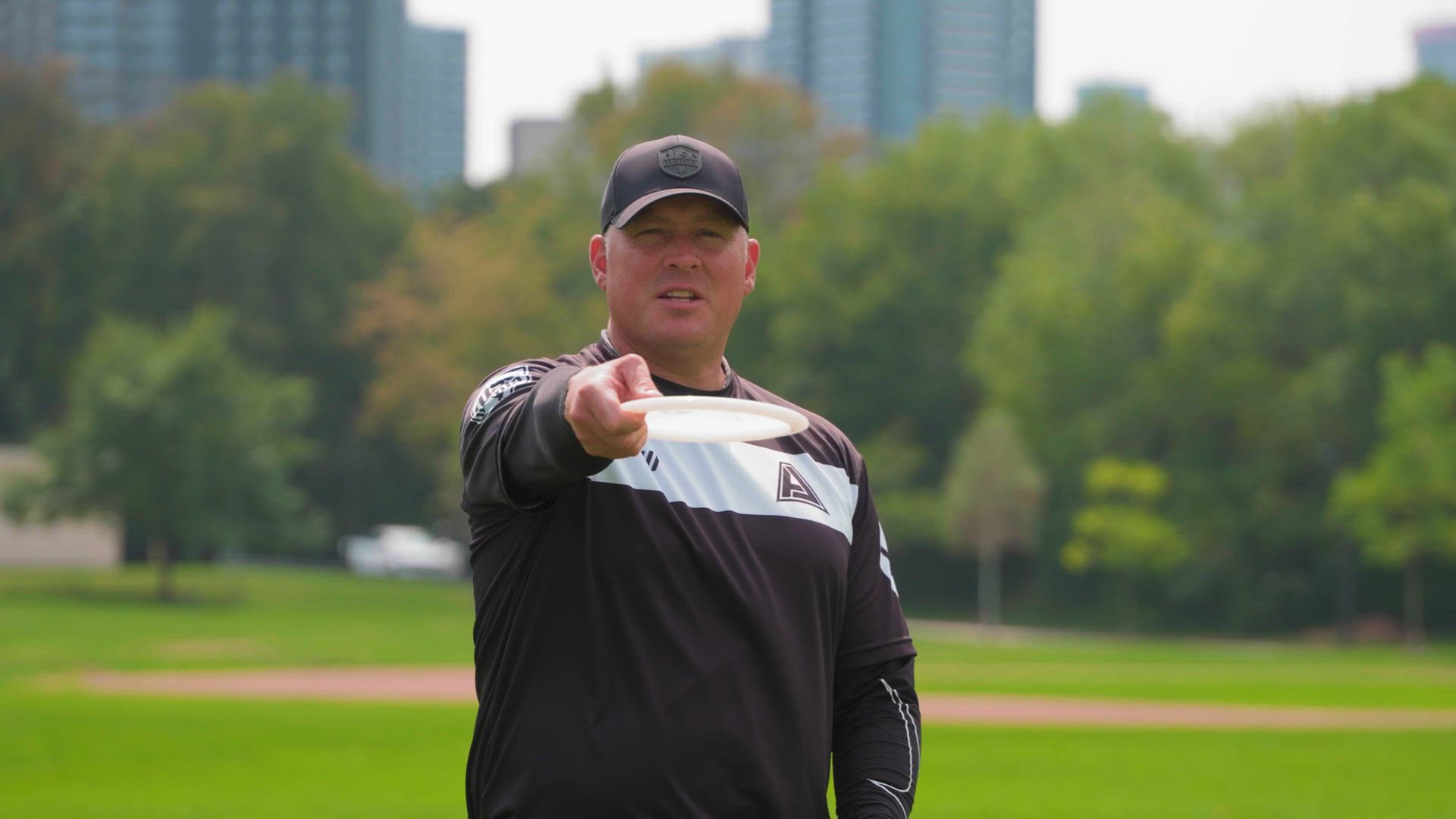
Next we go from a flat release to a turnover shot. This is where the disc will do the work and turn over.
From flat to turnover with a driver
5.
Practicing the flat to turnover
1
Practicing the flat to turnover
1
01:58
Publish date
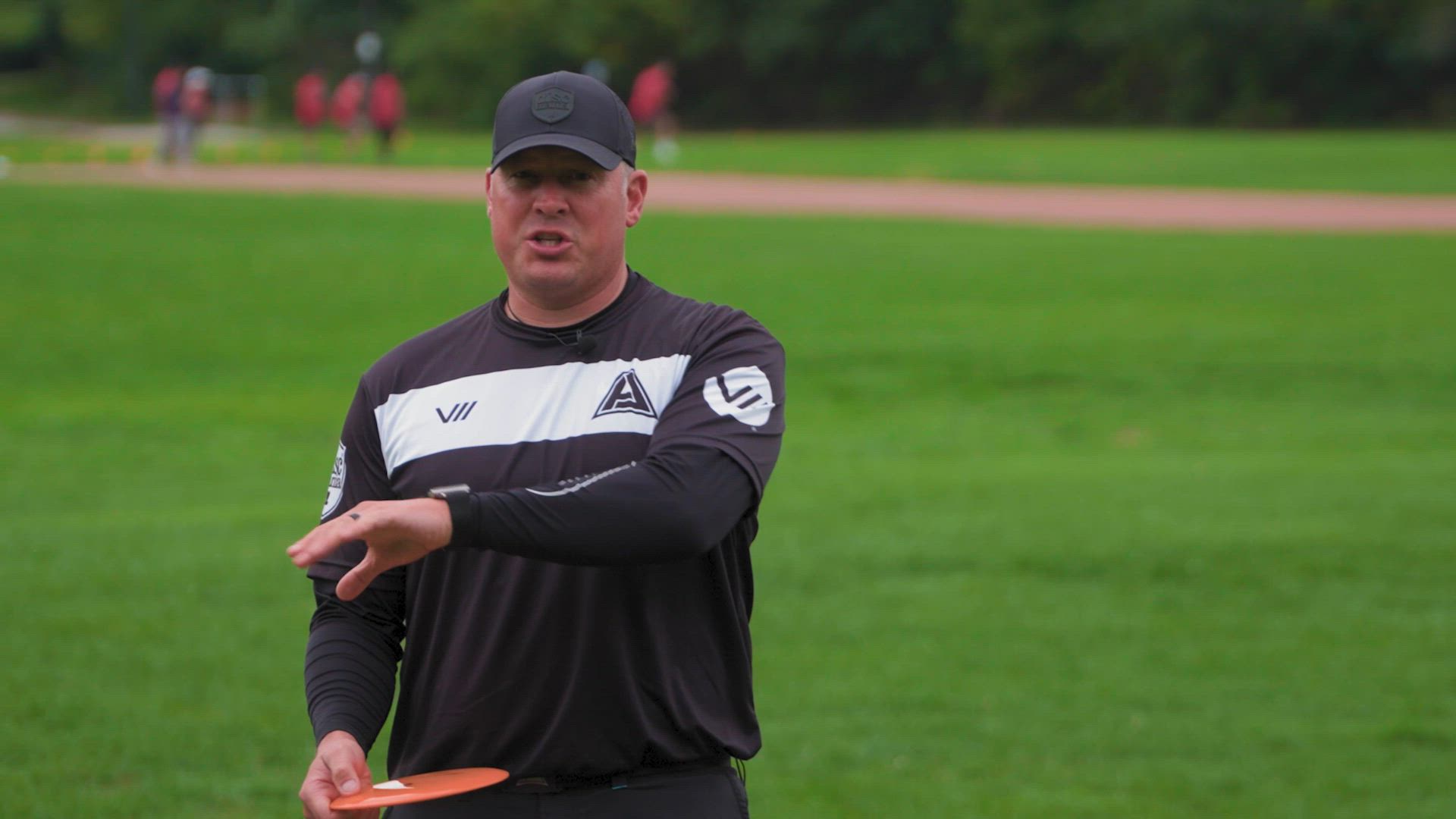
Here is what the shot looks like, along with instructions on how to practice it.
Practicing the flat to turnover
6.
Anhyzer flex
1
Anhyzer flex
1
03:31
Publish date
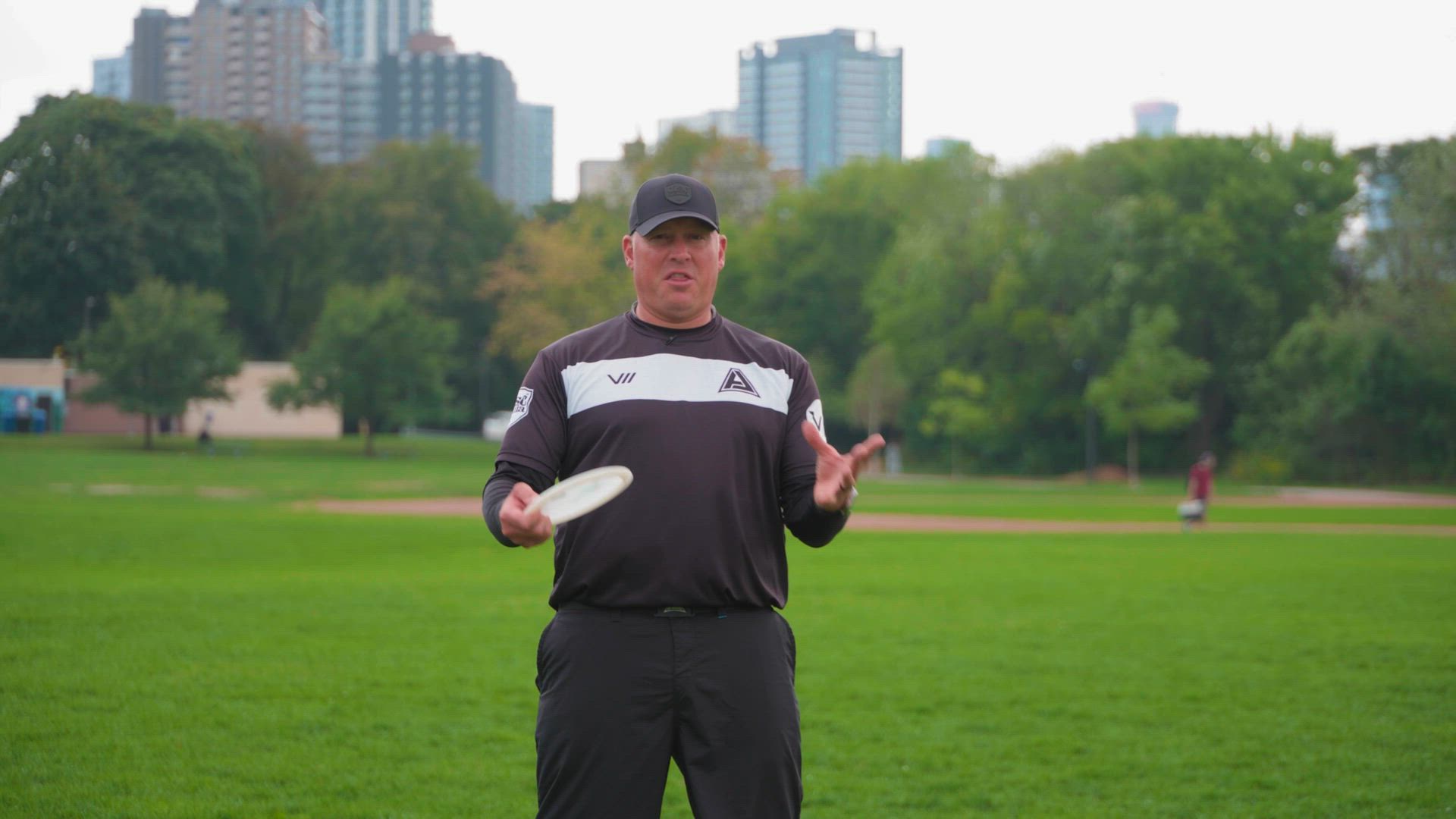
So this is the true s-curve shot. We start from anhyzer release angle and let the disc travel, and if you pick your disc right, it should have a predictable fade at the end.
Anhyzer flex
7.
Practicing the flex shot with a driver
1
Practicing the flex shot with a driver
1
02:16
Publish date
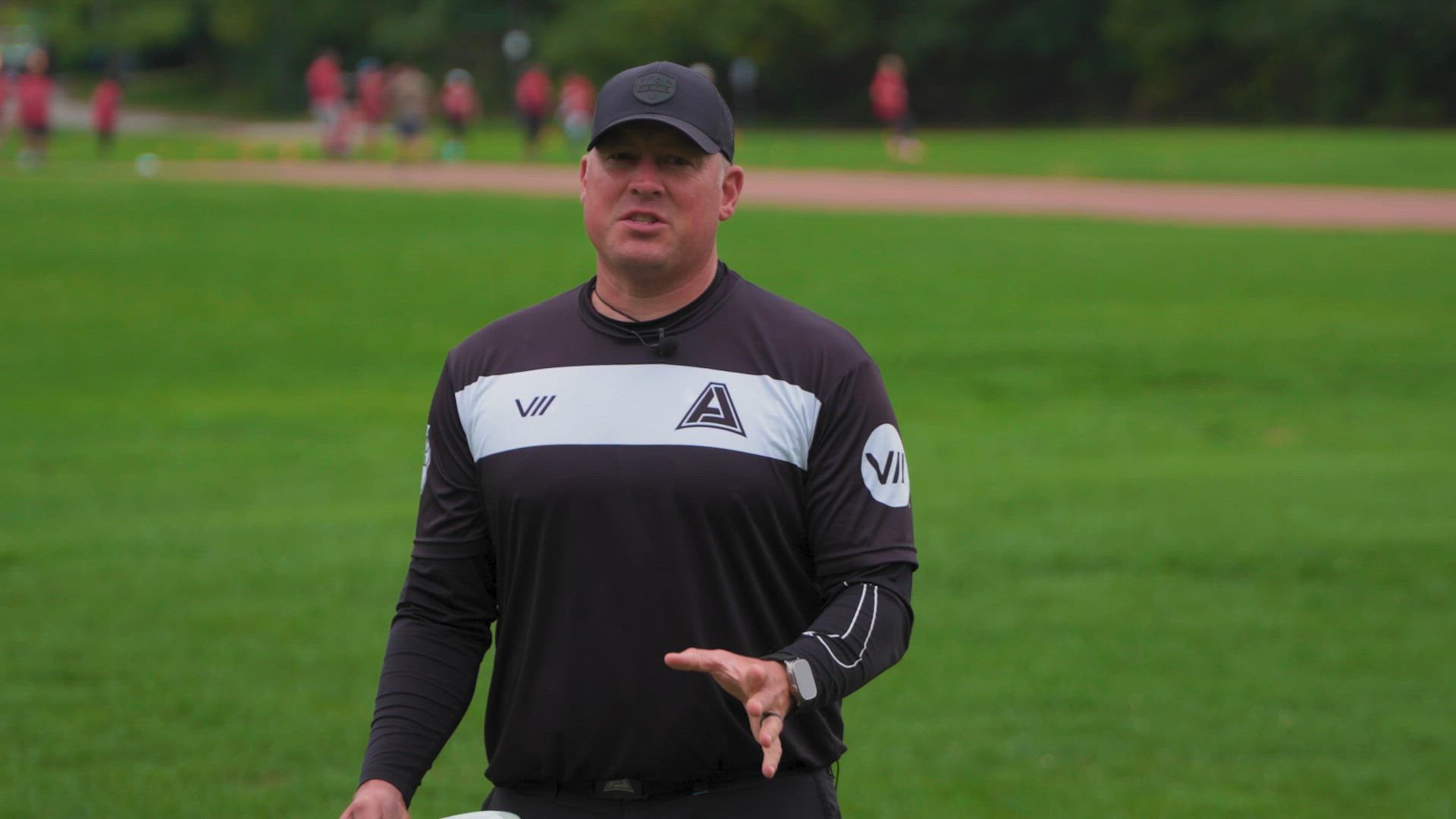
Here is how to practice the flex shot and what to look for
Practicing the flex shot with a driver
8.
Hyzer to Turn with a driver
1
Hyzer to Turn with a driver
1
04:45
Publish date
Next we up the difficulty level and go from hyzer release to turn. We go through two angle changes through this shot, so the finesse is definitely needed with this one.
Hyzer to Turn with a driver
9.
Practicing the Hyzer to Turn with a driver
1
Practicing the Hyzer to Turn with a driver
1
02:08
Publish date
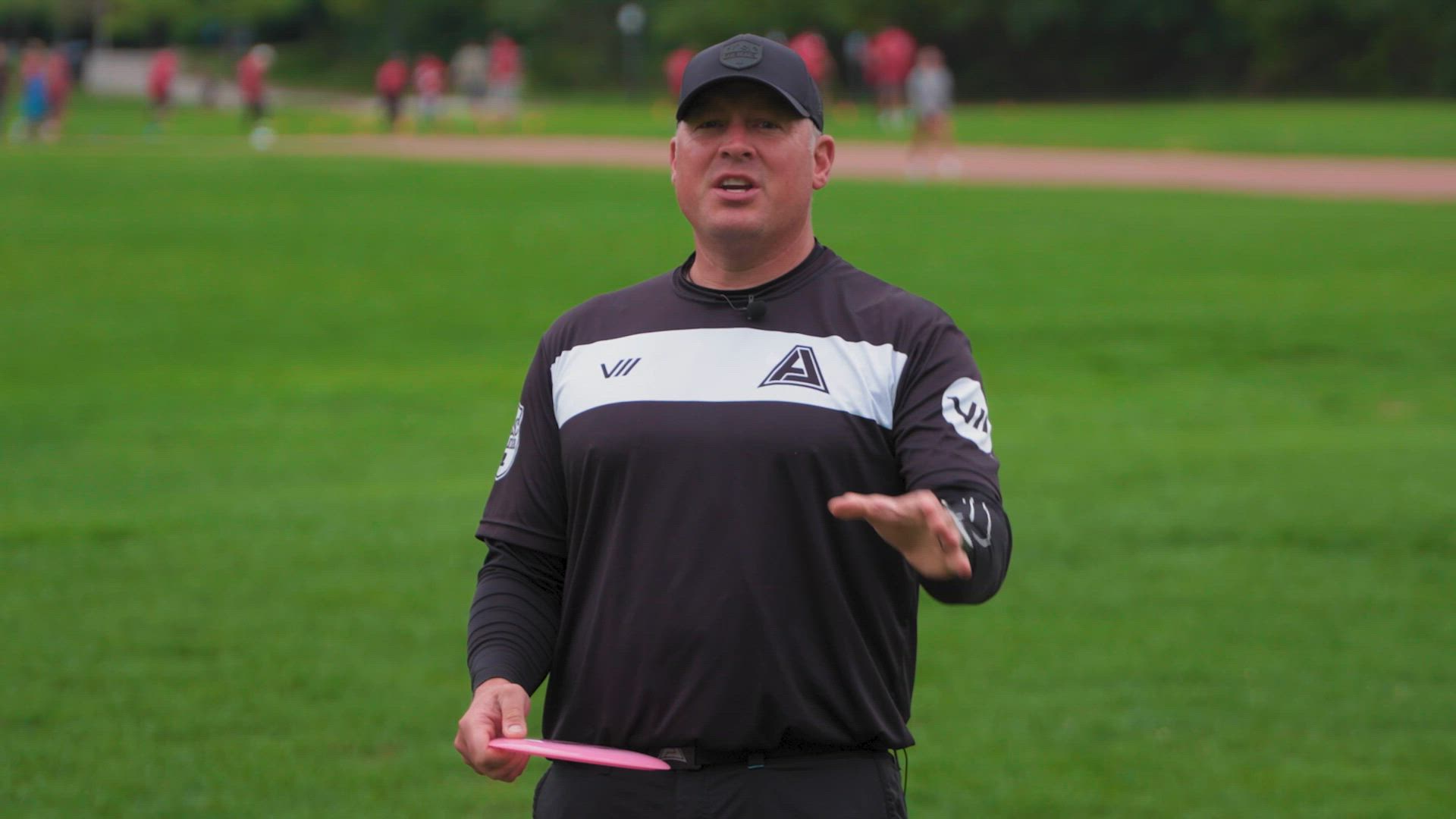
Here are the tips and tricks to practice the shot on the field.
Practicing the Hyzer to Turn with a driver
10.
Hyzer to full flex
1
Hyzer to full flex
1
04:08
Publish date
Now we add the last angle change to our trajectory, where the disc also have a notable fade at the end. This is all about getting the full flight out of your drive and it is the most demanding shot to execute if you wish to have the maximum distance.
Hyzer to full flex
11.
Practicing the full flex shot
1
Practicing the full flex shot
1
02:19
Publish date
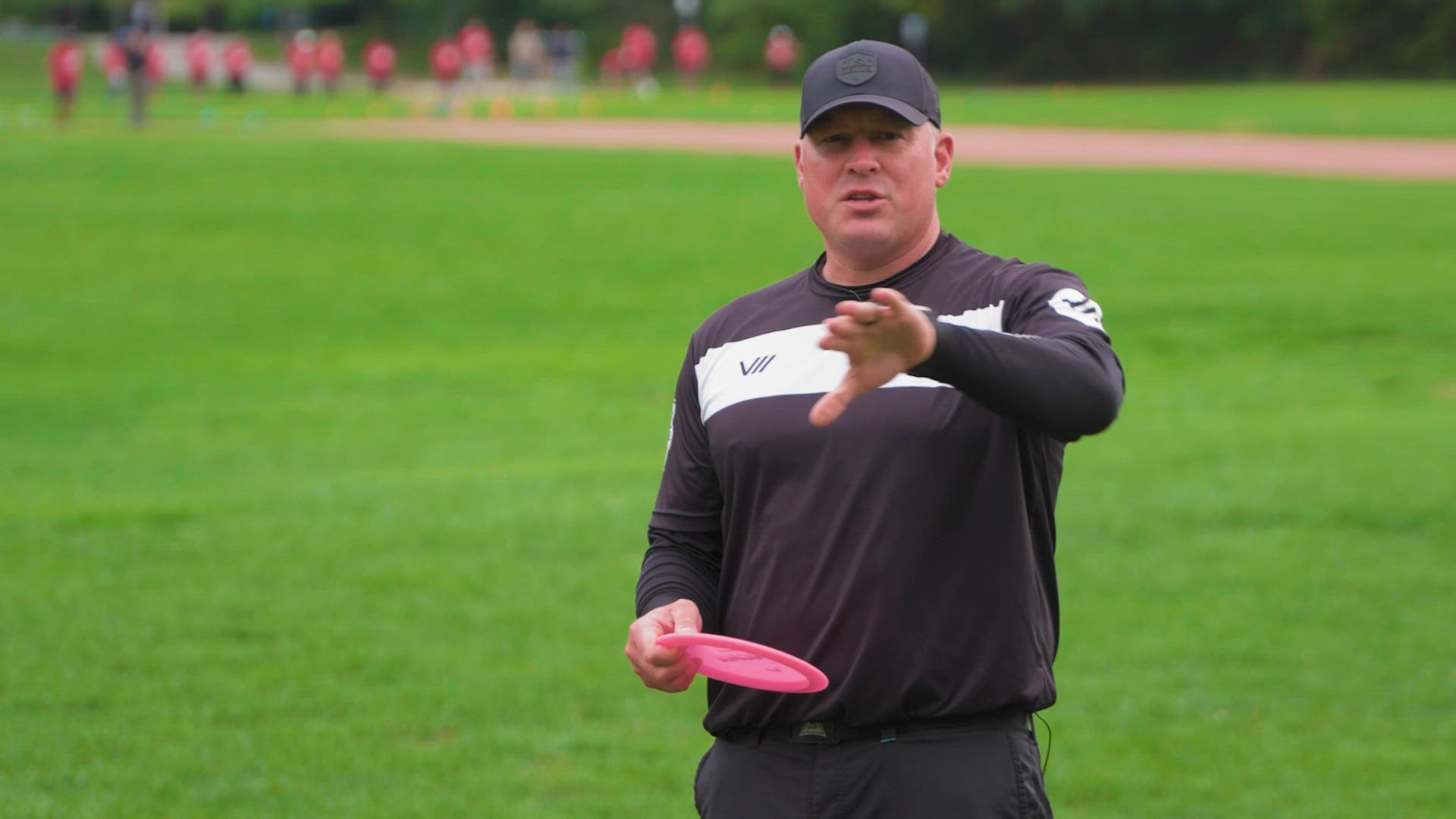
Avery is showing you what to look for and how to practice the shot.
Practicing the full flex shot
12.
Mastering the Midranges
3
Mastering the Midranges
3
Publish date
Mastering the Midranges
1.
Introduction to Midrange Mastery
1
Introduction to Midrange Mastery
1
01:45
Publish date
Let's take a step down in speed and start practicing the midrange slot. These are considerably slower discs and move much less side to side on their flight through the fairway.
Introduction to Midrange Mastery
1.
Hyzer to flat with a midrange
1
Hyzer to flat with a midrange
1
01:48
Publish date
We start from one angle change and get the flight from a hyzer release to a flat flight. A very useful shot on wooded straight shots because of the predictable flight.
Hyzer to flat with a midrange
2.
Practicing the hyzer to flat
1
Practicing the hyzer to flat
1
01:33
Publish date
Avery shows you what to look for and then gets you started on your midrange mastery.
Practicing the hyzer to flat
3.
Flat to turnover with a midrange
1
Flat to turnover with a midrange
1
02:58
Publish date
Next, we push the disc from a flat release to the turn.
Flat to turnover with a midrange
4.
Practicing the turnover shot with a midrange
1
Practicing the turnover shot with a midrange
1
01:27
Publish date
Avery will show you what the shot looks like and give you tips on how to practice the shot.
Practicing the turnover shot with a midrange
5.
Anhyzer to full flex with a midrange
1
Anhyzer to full flex with a midrange
1
03:01
Publish date
We add one additional angle change to the arsenal and start from anhyzer release.
Anhyzer to full flex with a midrange
6.
Practicing the full flex shot with a midrange
1
Practicing the full flex shot with a midrange
1
02:03
Publish date
Getting the full flex dialed in will become easier when you check what Avery has to say on this. Keep on practicing!
Practicing the full flex shot with a midrange
7.
Hyzer to Turnover with a midrange
1
Hyzer to Turnover with a midrange
1
01:58
Publish date
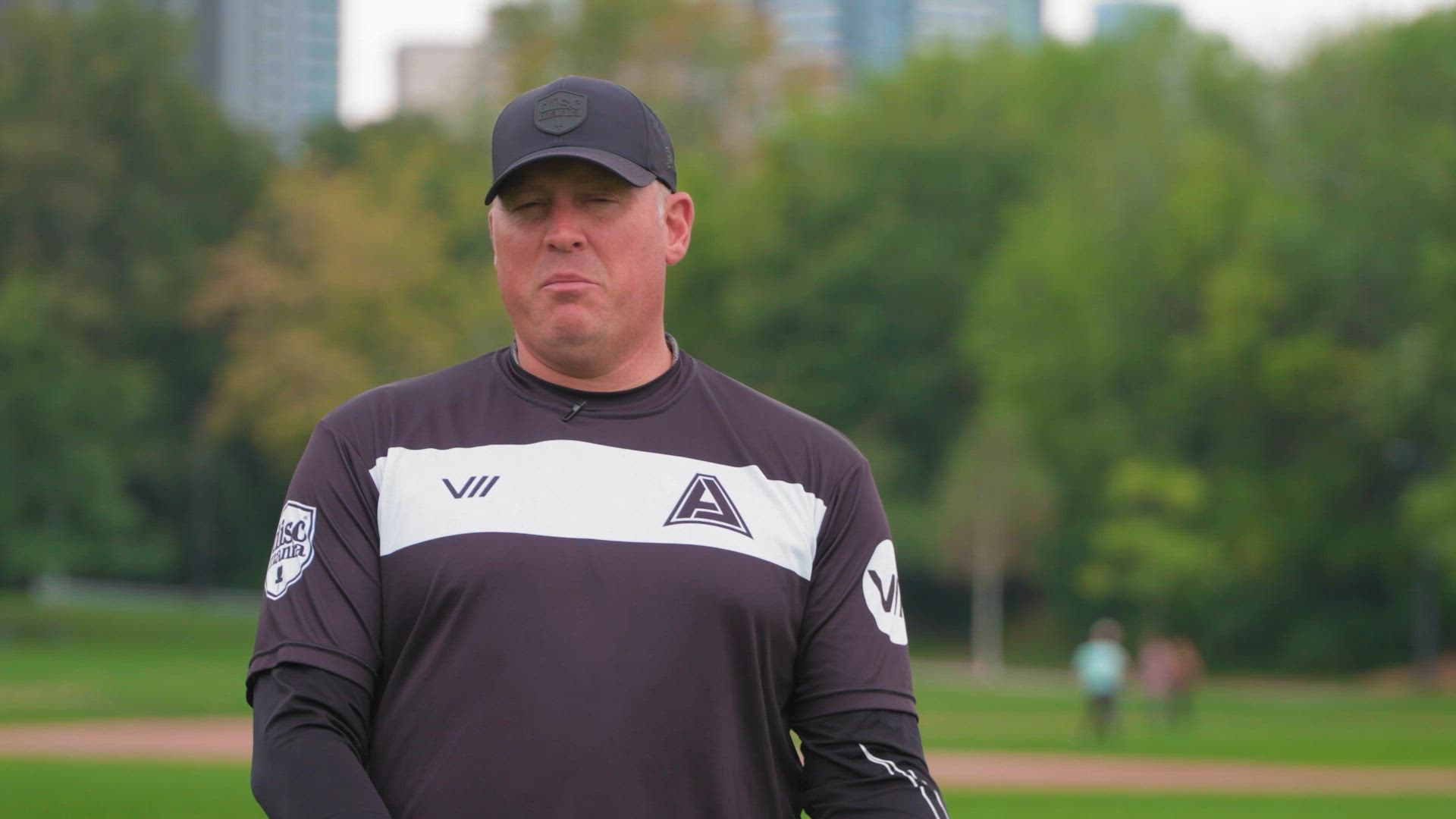
Next, we make the disc move from left to right or right to left, if you are a lefty. This is a must-have shot in your arsenal if you play on tight, wooded holes.
Hyzer to Turnover with a midrange
8.
Practicing the Hyzer to Turnover with a midrange
1
Practicing the Hyzer to Turnover with a midrange
1
01:31
Publish date
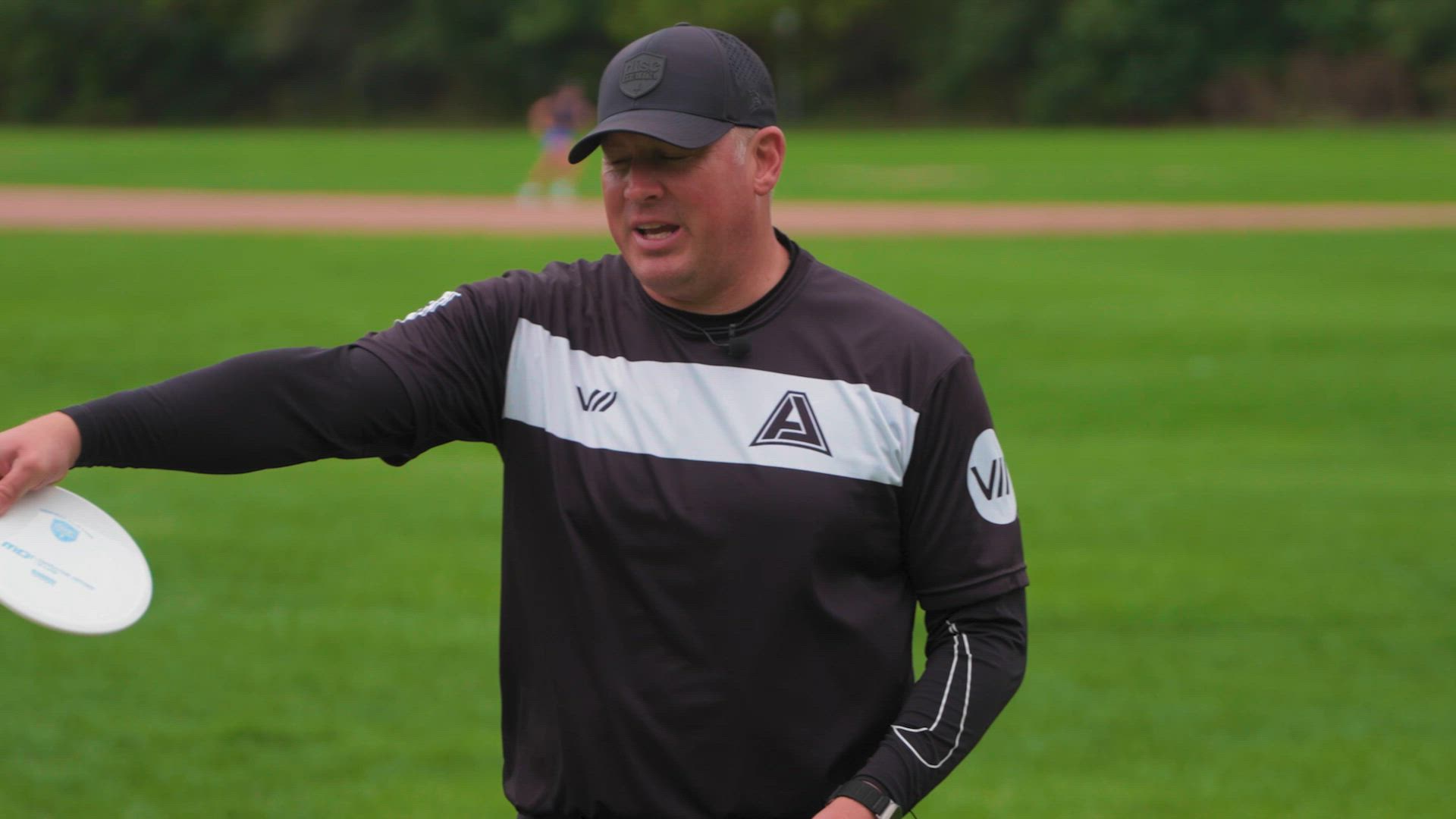
Let's look at what the trajectory looks like and see some tips and tricks on how to master it.
Practicing the Hyzer to Turnover with a midrange
9.
Mastering the Putters
4
Mastering the Putters
4
Publish date
Mastering the Putters
1.
Introduction to putter mastery
1
Introduction to putter mastery
1
01:53
Publish date
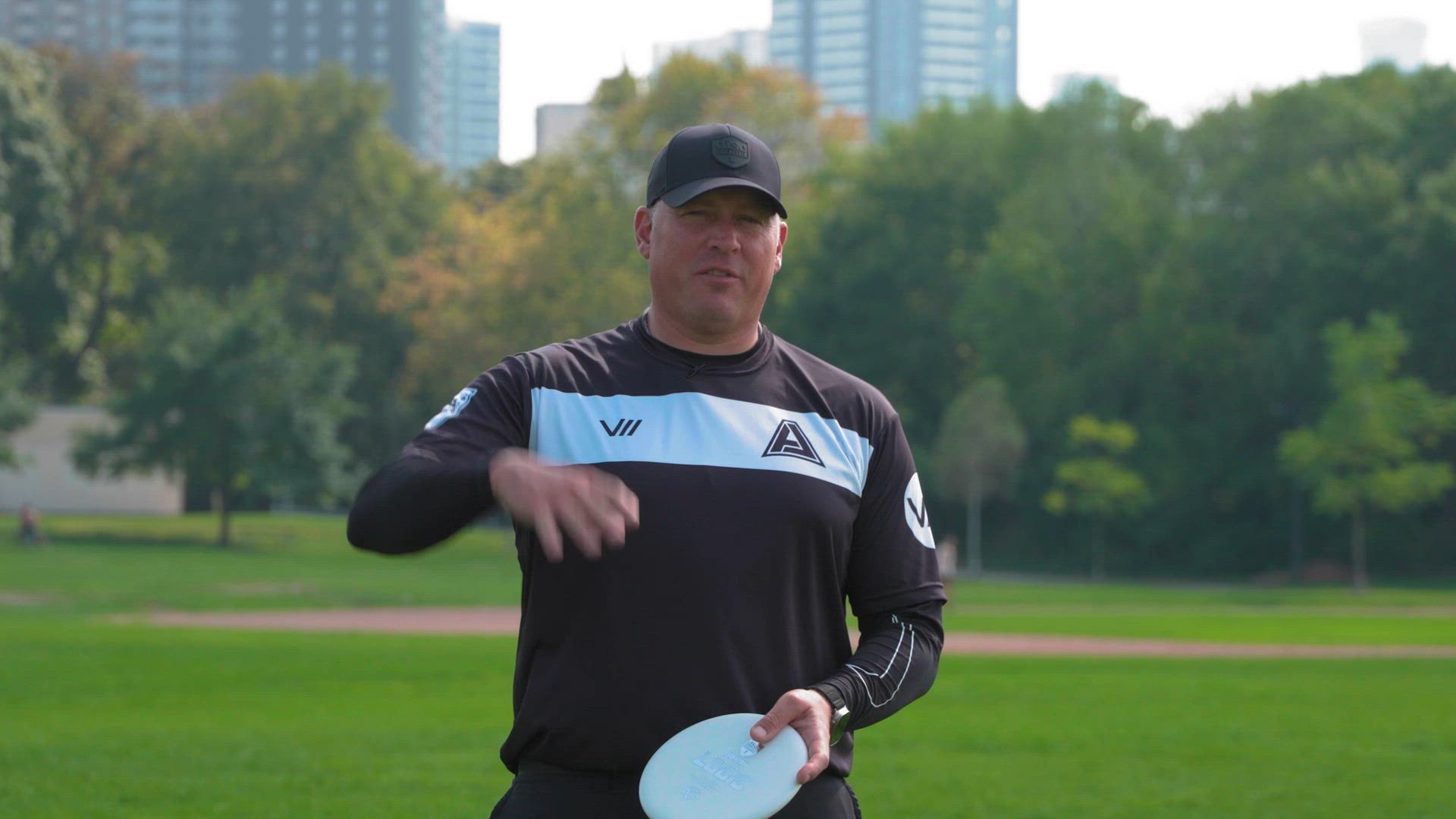
The last but definitely not the least, is the putter slot. The slowest of the discs, this slot is still highly useful on approches and shorted drives for it's predictable flight. It's good to note that because of it's slower characteristic, this disc will not be able to do all the same trajectories than the faster ones.
Introduction to putter mastery
1.
Hyzer to flat with a putter
1
Hyzer to flat with a putter
1
02:54
Publish date
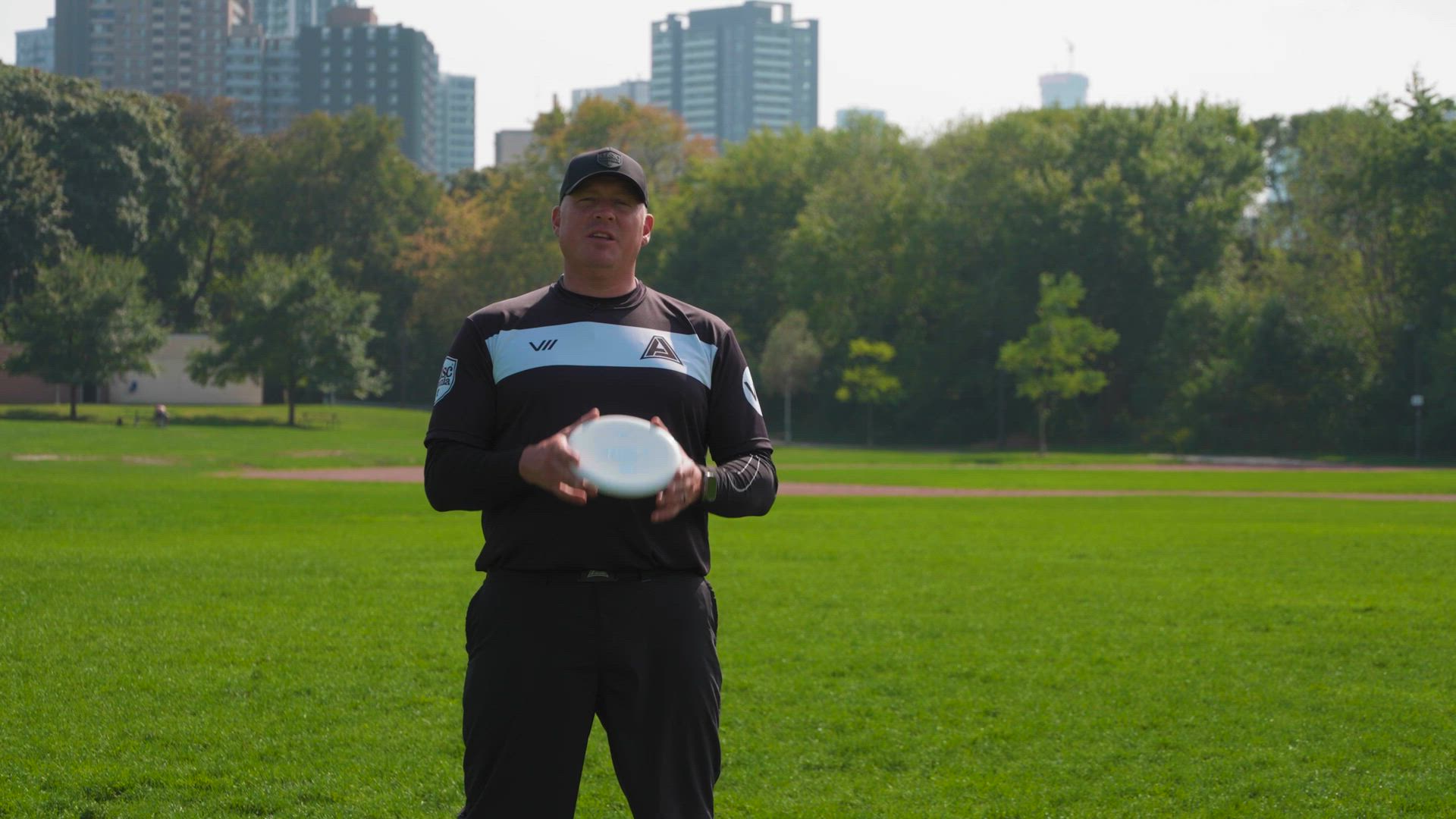
Let's start simple. From hyzer to flat is the bread and butter with a putter. Avery shows us how it's done.
Hyzer to flat with a putter
2.
Practicing the Hyzer to Flat putter shot
1
Practicing the Hyzer to Flat putter shot
1
01:42
Publish date
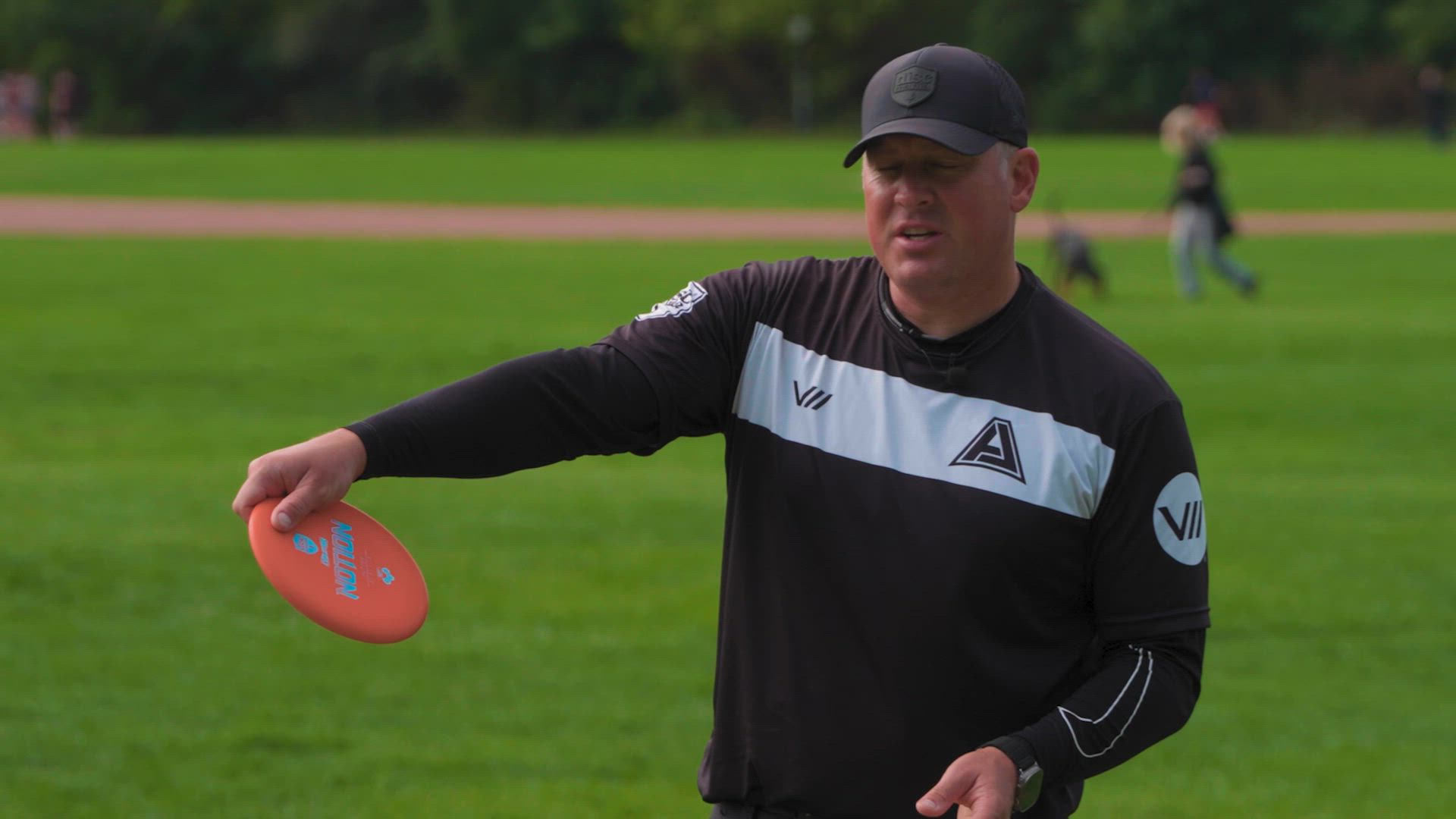
Next, we go to the field and drill this flight and get to know our discs while doing it.
Practicing the Hyzer to Flat putter shot
3.
Flat to turnover with a putter
1
Flat to turnover with a putter
1
02:49
Publish date
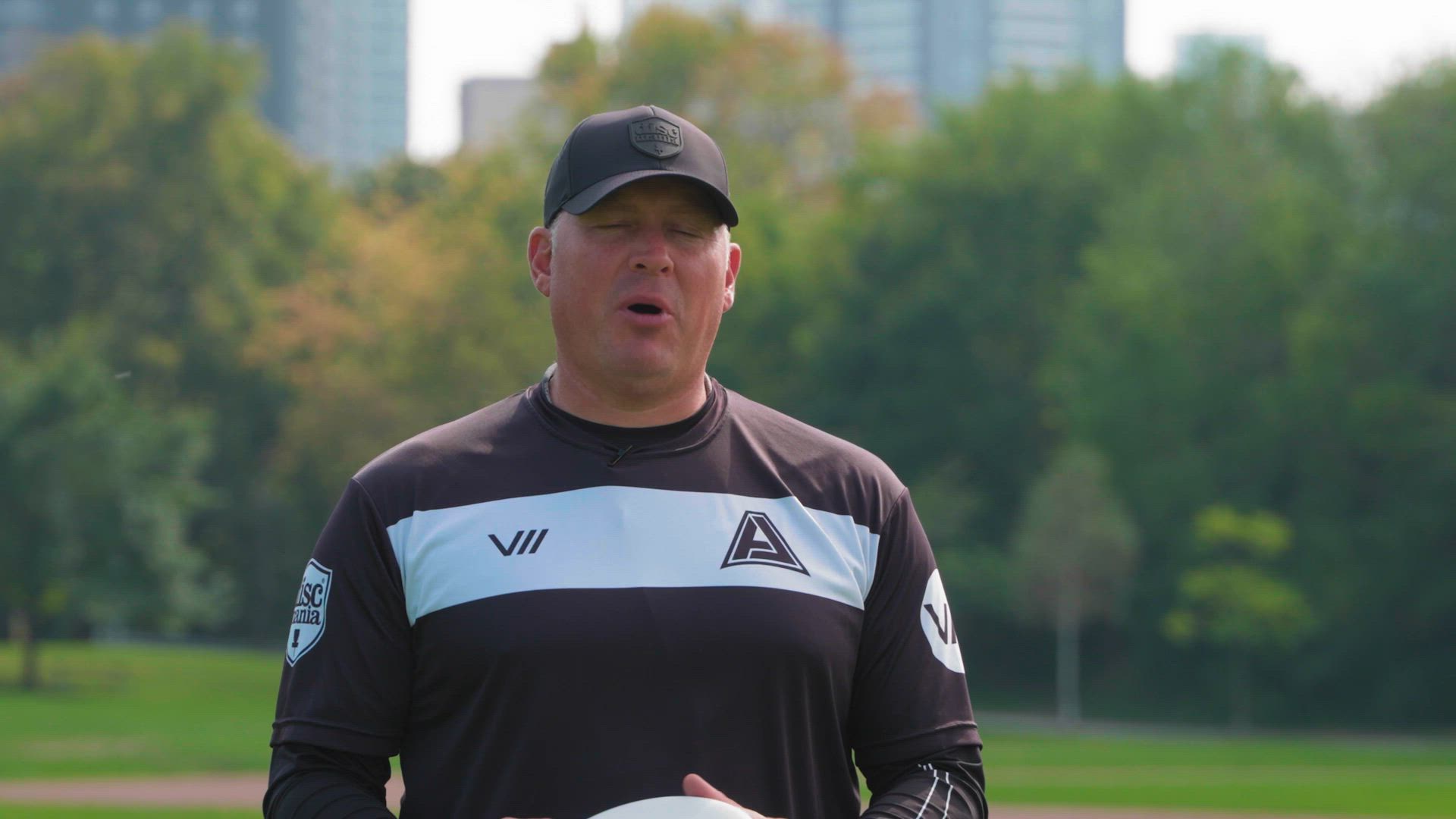
Now we go to the flat release and look for that turnover flight. Perfect for those controlled short turnover situations you face on the course.
Flat to turnover with a putter
4.
Practicing the flat to turnover with a putter
1
Practicing the flat to turnover with a putter
1
01:50
Publish date
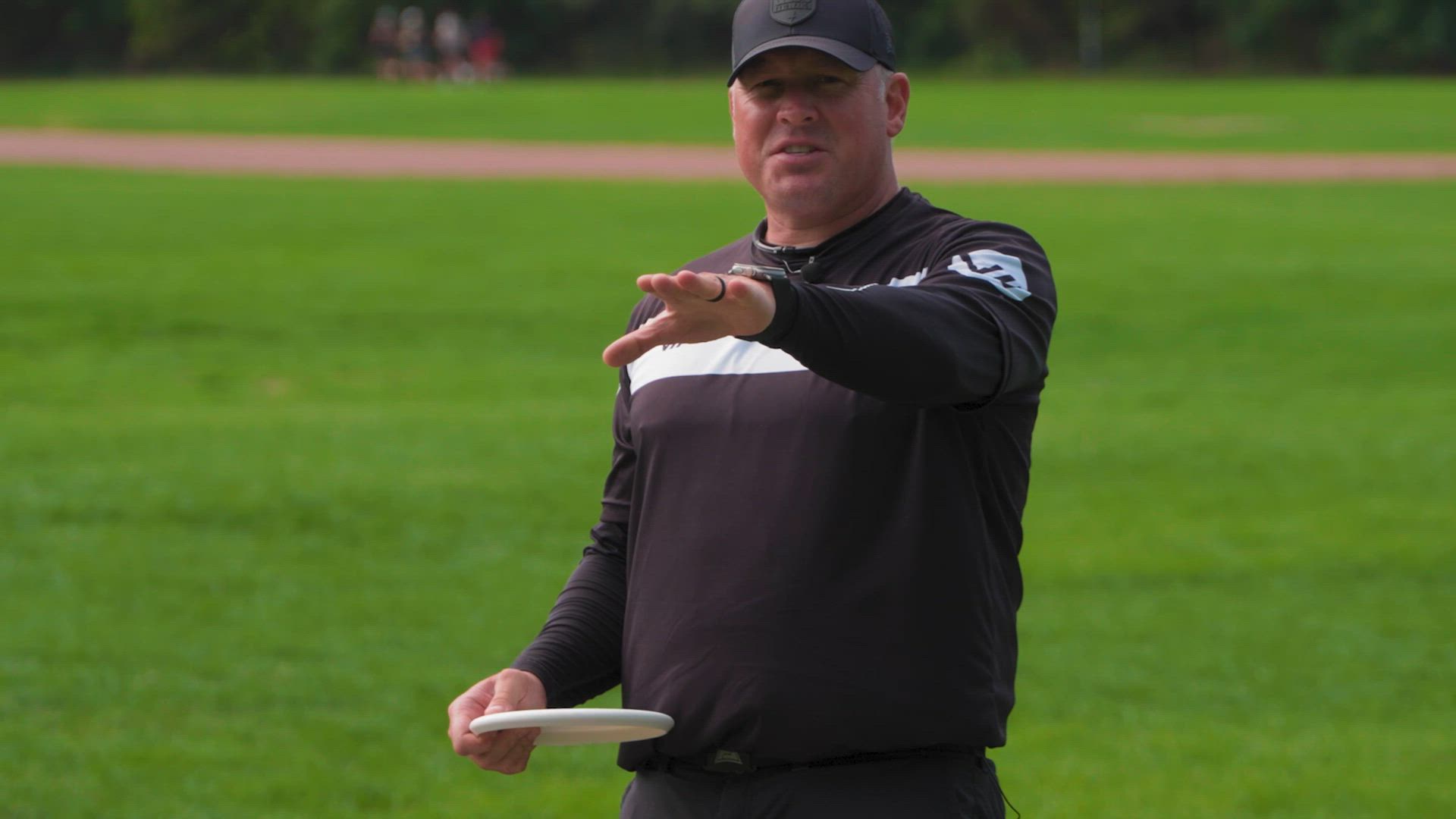
Once again, Avery shows you what the flight should look like and gives you tips on practicing the shot.
Practicing the flat to turnover with a putter
5.
Hyzer to Turnover with a putter
1
Hyzer to Turnover with a putter
1
03:11
Publish date
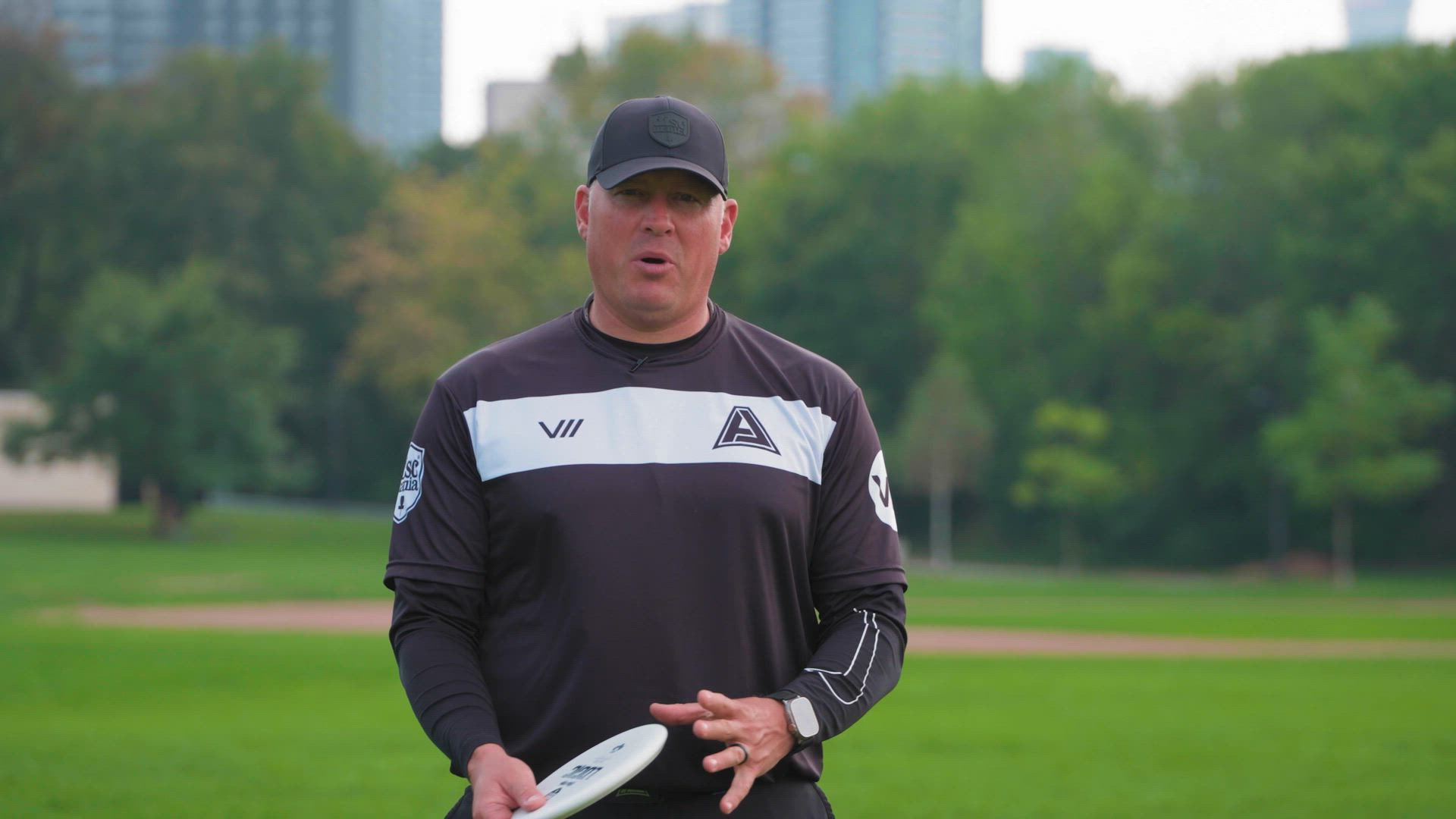
Here we see a very tricky putter shot that can be your best ally if executed right.
Hyzer to Turnover with a putter
6.
Practising the Hyzer to Turnover putter shot
1
Practising the Hyzer to Turnover putter shot
1
01:47
Publish date
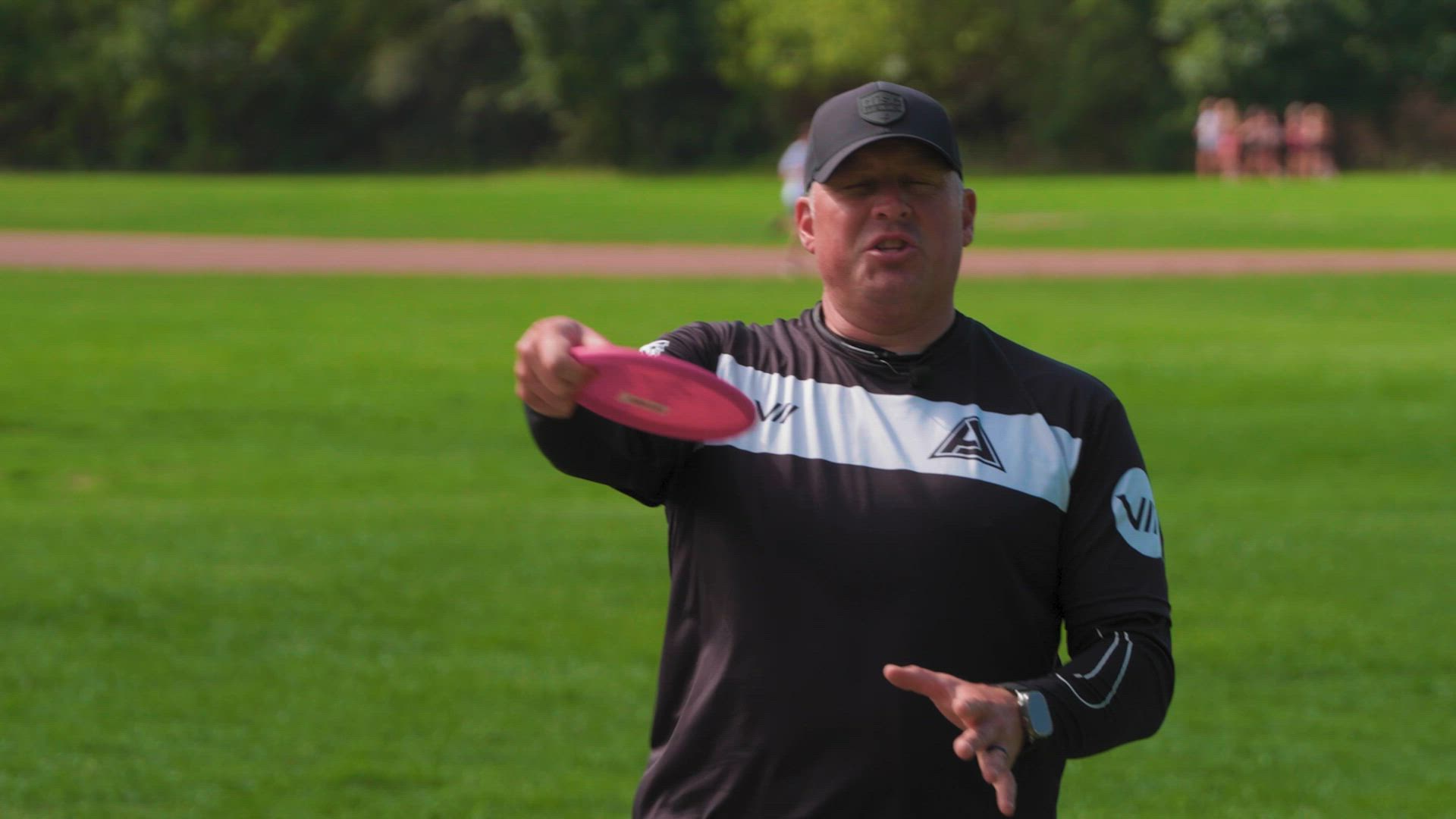
This is what the shot should look like. Avery tells you what to practice to hone in on this beautiful shot.
Practising the Hyzer to Turnover putter shot
7.
Anhyzer to Full Flex with a putter
1
Anhyzer to Full Flex with a putter
1
02:13
Publish date
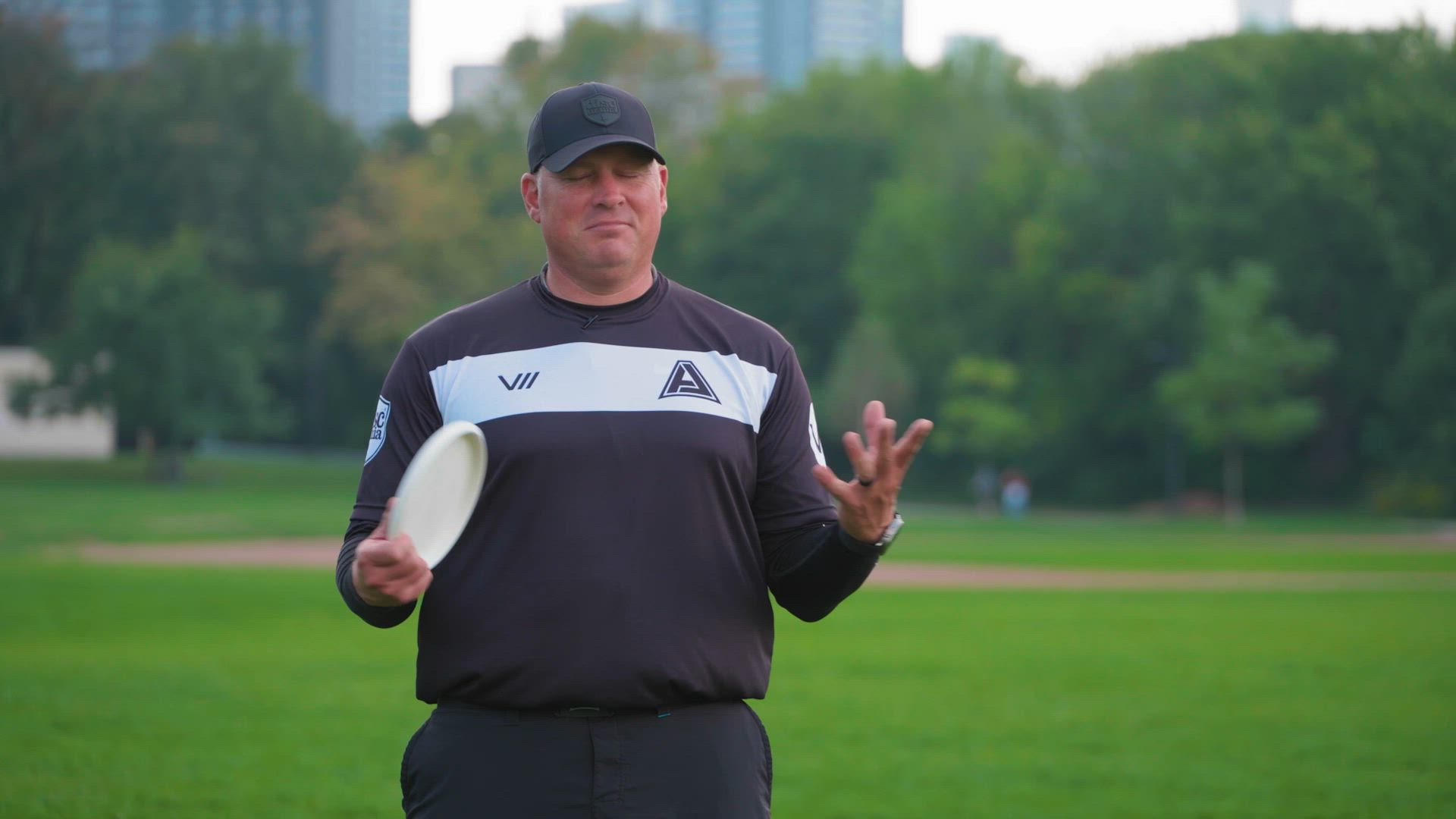
This is the most tricky shot with a putter. It is also the most rewarding when you nail it right. The slow high shot with an overstable putter is a fun shot to throw.
Anhyzer to Full Flex with a putter
8.
Practicing the Full Flex with a putter
1
Practicing the Full Flex with a putter
1
01:54
Publish date
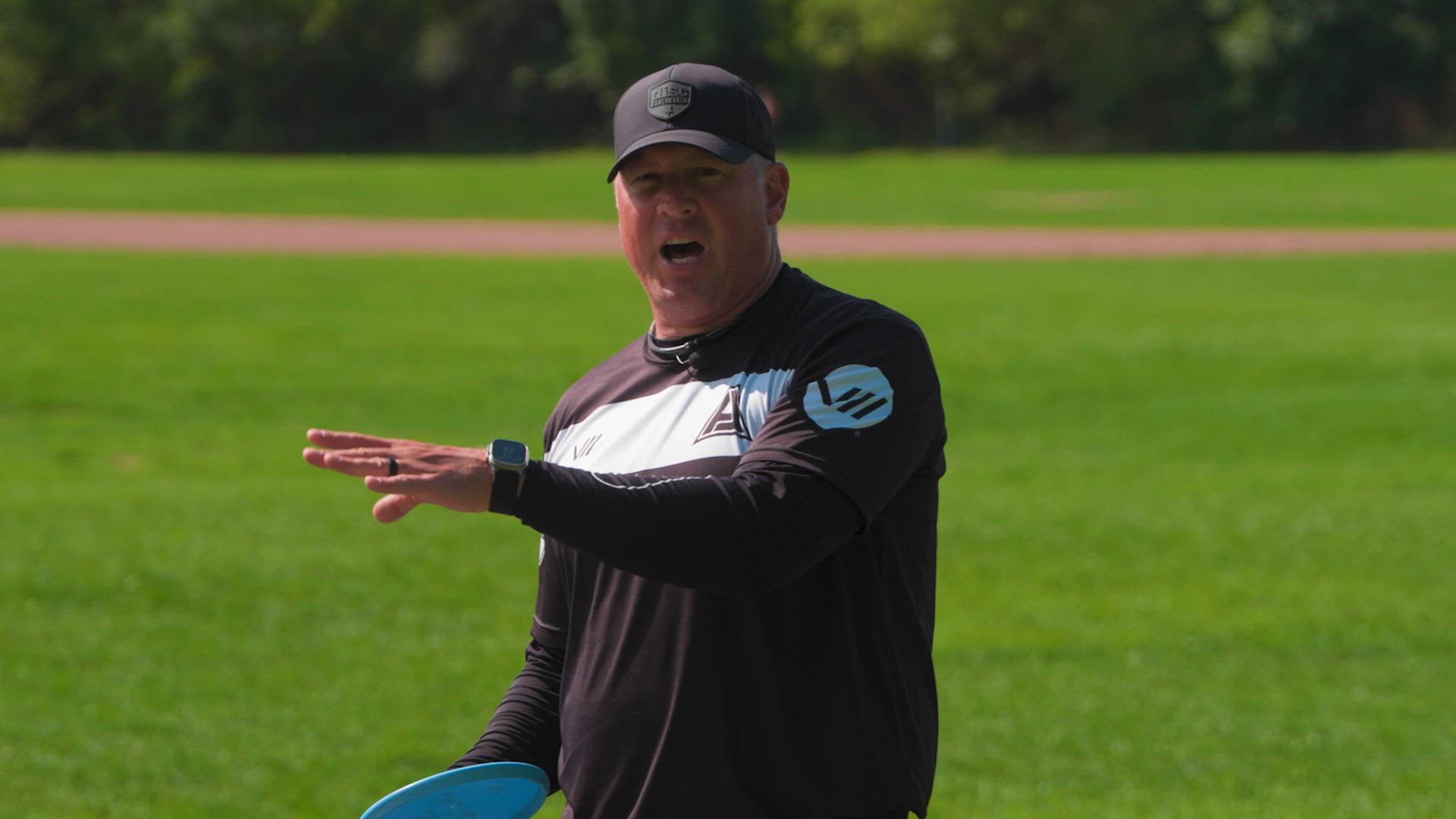
The final practice to top off your mastery course. Avery will once again give you the demo on what to look for and share tips.
Practicing the Full Flex with a putter
9.
Why is there no Hyzer to full flex
1
Why is there no Hyzer to full flex
1
01:34
Publish date
Avery discusses the topic that all of you were thinking we missed.
Why is there no Hyzer to full flex
10.
Recap and conclusion
1
Recap and conclusion
1
03:18
Publish date
Thank you for training with us, and all the best to your field training sessions in your efforts to become a disc mastery expert!
Recap and conclusion
11.

The absolute disc golf mastery requires you to understand these shots for the backhand. You may throw the basic angles for the rest of your life, but gaining extra distance with the same effort you make right now comes from understanding your disc selection and learning how to throw them at a different angle. This course is for those people who wish to go the extra mile to learn how to get everything out from their discs and widen the perspective on what kind of shots are available on your day to day game.
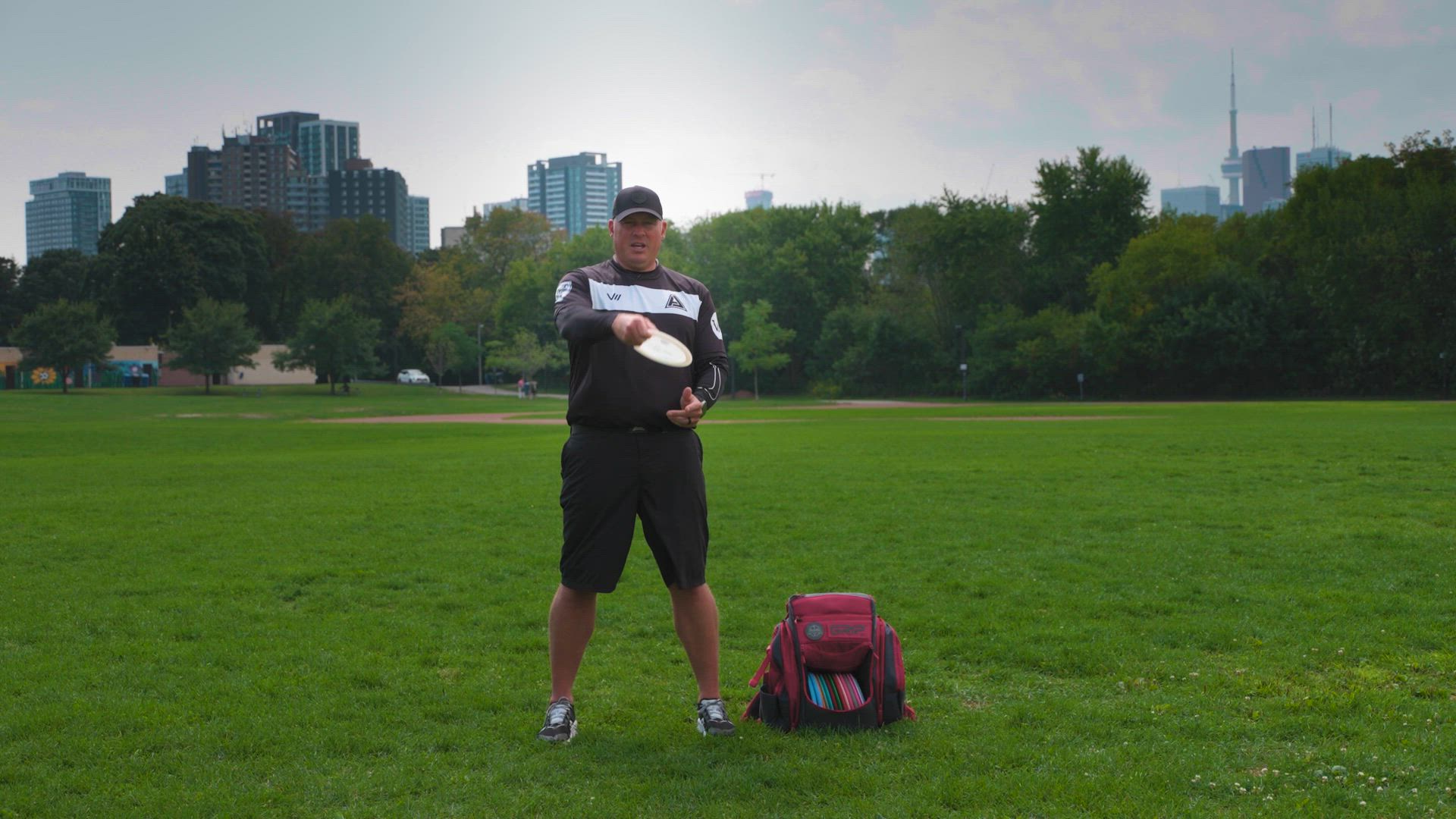
Our instructor, Avery Jenkins, the 2009 World Champion and a member of the Disc Golf Hall of Fame, will tell you how to learn all of the angles and trajectories, what kind of discs should you use and what are the common mistakes when looking for that specific type of flightpath.
We will go through all of the backhand shots with all of the discs, or at least those that make sense. First we get from one angle change which means that the disc is thrown on one angle, and the disc will either turn, for example from hyzer to flat, or fade like in anhyzer to fade -type of shot. Then we will progres to multiple angle changes, s-curves hyzer flips etc. When we have gone through all of the shots, you will have a great understanding of what a disc can do to open up your imagination.
Remember that this knowledge by itself doesn’t make you a professional. You need to go to the field and experiment, learn your discs and improve your consistency. When we are throwing a line that leaves your hand on a hyzer angle, stands up and flies forward, then turns over and maybe comes back to fade, there are so many small details that can result in a complete miss on a course. But if you are willing to put in the hours and effort, you will gain the most important shots in your arsenal that will bring your game to the next level.
You might also like
FAQ - The Art of Disc Mastery
Unfortunately, there is no universal multipurpose disc that will do everything. That's just the way it is. Some discs can take the torque and some will overturn with the same speed.
What you can do is try to manufacture a line with the discs you have by working the angle and the speed you throw the disc. This is a great way to make, for example, a super flippy driver to make the full flight but on a shorter distance, when you find the right speed for that disc.
In the end you need a bit wider selection of discs for this course, so visit your local retailer or order some new ones through their webshop.
What if you don't own a disc that you need for a specific shot?
You never know what kind of shot you need on a new course. Remember that this is a course for those who wish to broaden their perspective and learn new shots. Some people are just fine to throw a flat release throughout their whole disc golf career and we are all for it!
But if you want to explore what your discs are capable of doing and learn more options for your game, we highly recommend the contents of this course. There is so much to learn from going to the field and working on a certain shots that it will definitely take time to get all of these dialled in. We suggest you start from practising one shape and then seeing if it works for you. In the end, we all wish to become better at the game, so give it a try and see how far you can make it!
Why is it important to know that many shots?
It's just a matter of how physics works. Drivers are the most versatile molds, and they can be thrown at almost any angle and get a myriad of different flights out of them. This is because the driver can take the speed being the fastest slot of the discs, and therefore it can also go through the initial angle to turn and from turn to fade in a relatively short time.
If you would throw a putter on that same angle and speed (depending on the flight numbers naturally) it would most likely just turn and never fade.
The speed can be thought of as how fast the angle changes can be seen on a disc during its flight. Generally speaking, a faster disc goes through its flight to fade relatively quickly and we see the full flight, whereas the slower disc doesn't have time to go through the angle changes before it hits the ground. If we had a scenario where we throw a disc from an extremely high place, we probably would see the slower disc fade. Then again, would that be a useful shot to practice if you only have a couple of places in the world to throw that shot?
So for practicalitys' sake, we talk for angles and trajectories that make sense on most of the golf shots we need.
Why isn't there all of the angles with all of the discs?
Throwing these more demanding shots requires you to be able to throw the disc every time the same way, and lets face it: most of us are not professional athletes yet. To be able to replicate the shot every time is difficult but it doesn't mean that it is impossible. It just requires more repetition and practice to dial the shot in.
When you are on the field, and you notice that the shot didn't come out as you intended, stop and think about what was different from the time you made the shot come out as you intended. This small pause will give you time to internalise what went wrong and give you the opportunity to correct it. If you instead just fire away, shot after shot, you'll never be able to learn from your mistakes.
Use your time on the field to intentionally make mistakes and learn from them. This will make you a better disc golfer in no time!