
CHECK OUT OUR FREE BEGINNER COURSE

Kurssi info
Kurssi info
In the course you learn:
Learn what scrambling is
See what techniques are useful to try
Add more tools to your arsenal
Get more confidence for your rounds
Open up new possibilities
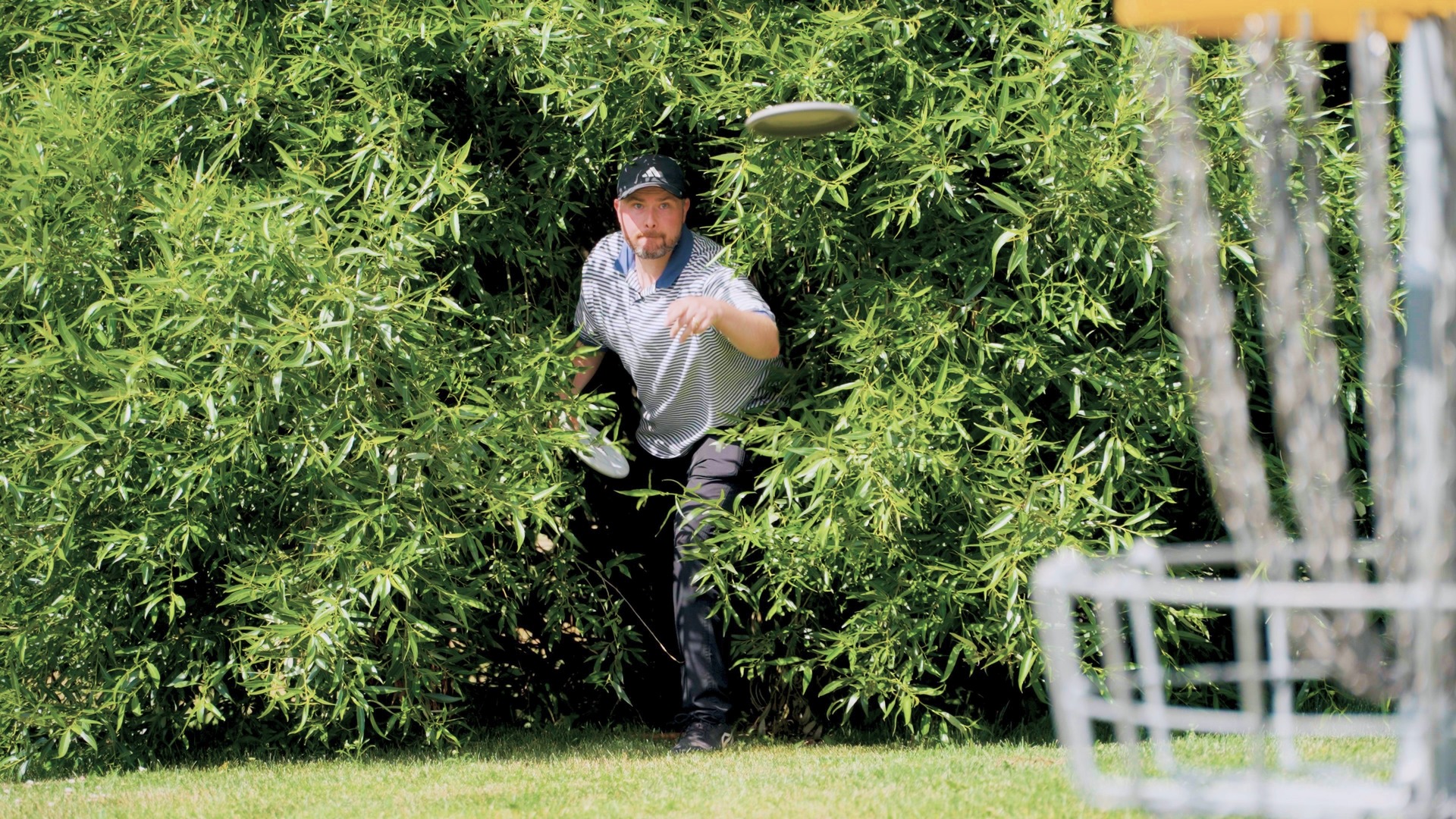
Eventually you'll end up in trouble after a poor drive. But do you know how to get out without destroying your scorecard?
In this course former touring professional and leading disc golf commentator Brian Earhart teaches you the art of scrambling: making smart decisions and executing the right shots and strategy when your drive doesn't go according to plan.
Brian breaks down common trouble situations you'll face on the course and shows you the throwing techniques you need to escape them. You'll learn how to identify your options, choose the highest-percentage play, and give yourself the best possible chance to save par.
Scrambling isn't only about having the right shot. Brian also dives into the mental side of recovery. How to stay composed after a mistake? How to avoid unnecessary risks and make the decision that protects your score?
There's a reason the world's best players are also great scramblers. You won't hit every fairway, but you can control what happens next.
Learn to escape trouble, limit the damage, and turn potential bogeys into pars.
This course is upcoming. Next Update will Be IN
Be sure to come back. In the Meantime, see our other courses!
Lessons
Introduction
1
Introduction
1

Publish date
Introduction
1.
Introduction to Damage Control
1
Introduction to Damage Control
1
04:35
Publish date
Brian Earhart frames scrambling as four skills in one shot: physical technique, strategy, sports psychology and creativity. He talks about the mindset and mental side of scrambling. Replace subjective self-criticism with objective descriptions of what actually happened.
Introduction to Damage Control
1.
Foundation and Strategy
2
Foundation and Strategy
2
Publish date
Foundation and Strategy
1.
Assessing the situation we are in
1
Assessing the situation we are in
1
01:06
Publish date
Brian's core motto is "analyze a lie off the fairway exactly the way you would analyse a tee pad on a brand new hole."
Assessing the situation we are in
1.
Example - Analysing the hole
1
Example - Analysing the hole
1
03:22
Publish date
This lesson is all about understanding the basics of analysing the hole in front of you. We do this so you can see that the same applies to scramble situations too!
Example - Analysing the hole
2.
Example - Analyzing the ground play with more intent
1
Example - Analyzing the ground play with more intent
1
03:02
Publish date
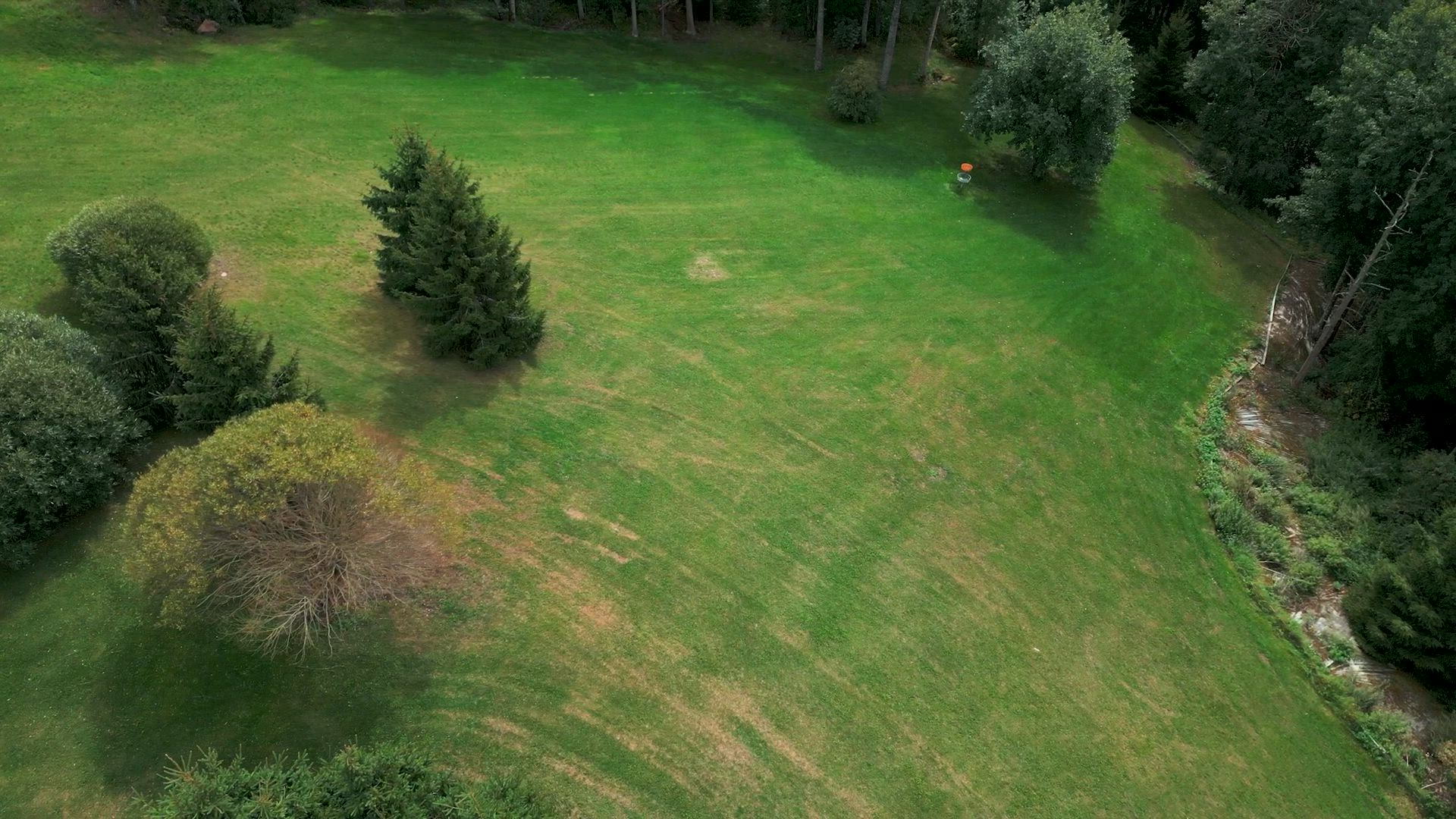
An example of analysing the groundplay to your advantage. Just thinking about how the disc lands may save you a stroke or two.
Example - Analyzing the ground play with more intent
3.
Every shot counts - Brians book club
1
Every shot counts - Brians book club
1
01:46
Publish date
A book recommendation from Brian. Mark Broadie's Every Shot Counts and how strokes-gained thinking transfers to disc golf scrambling.
Every shot counts - Brians book club
4.
Basic scrambling and patent pending stance
3
Basic scrambling and patent pending stance
3
Publish date
Basic scrambling and patent pending stance
1.
Why should you pitch out
1
Why should you pitch out
1
01:13
Publish date
Even the best players in the world pitch out to “the middle” without choosing a precise landing spot, then get pinched into a shot that is not their bread and butter. Brian talks about how to do it right!
Why should you pitch out
1.
Case study - pitch out situation
1
Case study - pitch out situation
1
03:48
Publish date
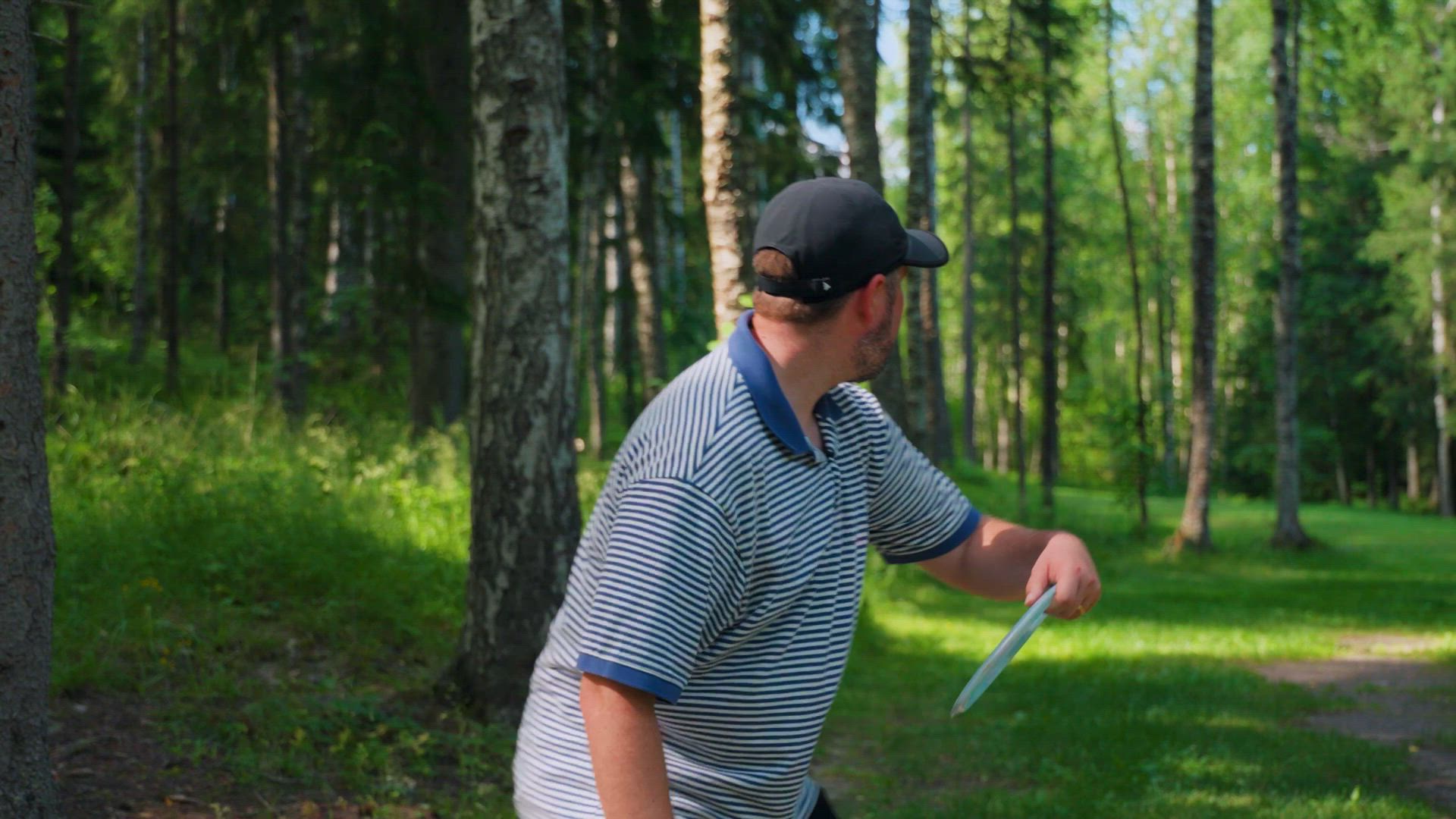
An example from a deep miss on a long, left-bending par 4. Brian walks the fairway to pick which half of it he wants to land on and shows you his step-by-step approach.
Case study - pitch out situation
2.
Patent pending - the savior of your score
1
Patent pending - the savior of your score
1
02:06
Publish date
A take on Ken Climo / Barry Schultz origin story of the patent pending stance, and why it is a lifelong skill rather than a one-season fix.
Patent pending - the savior of your score
3.
Exercise - Patent pending
1
Exercise - Patent pending
1
05:20
Publish date
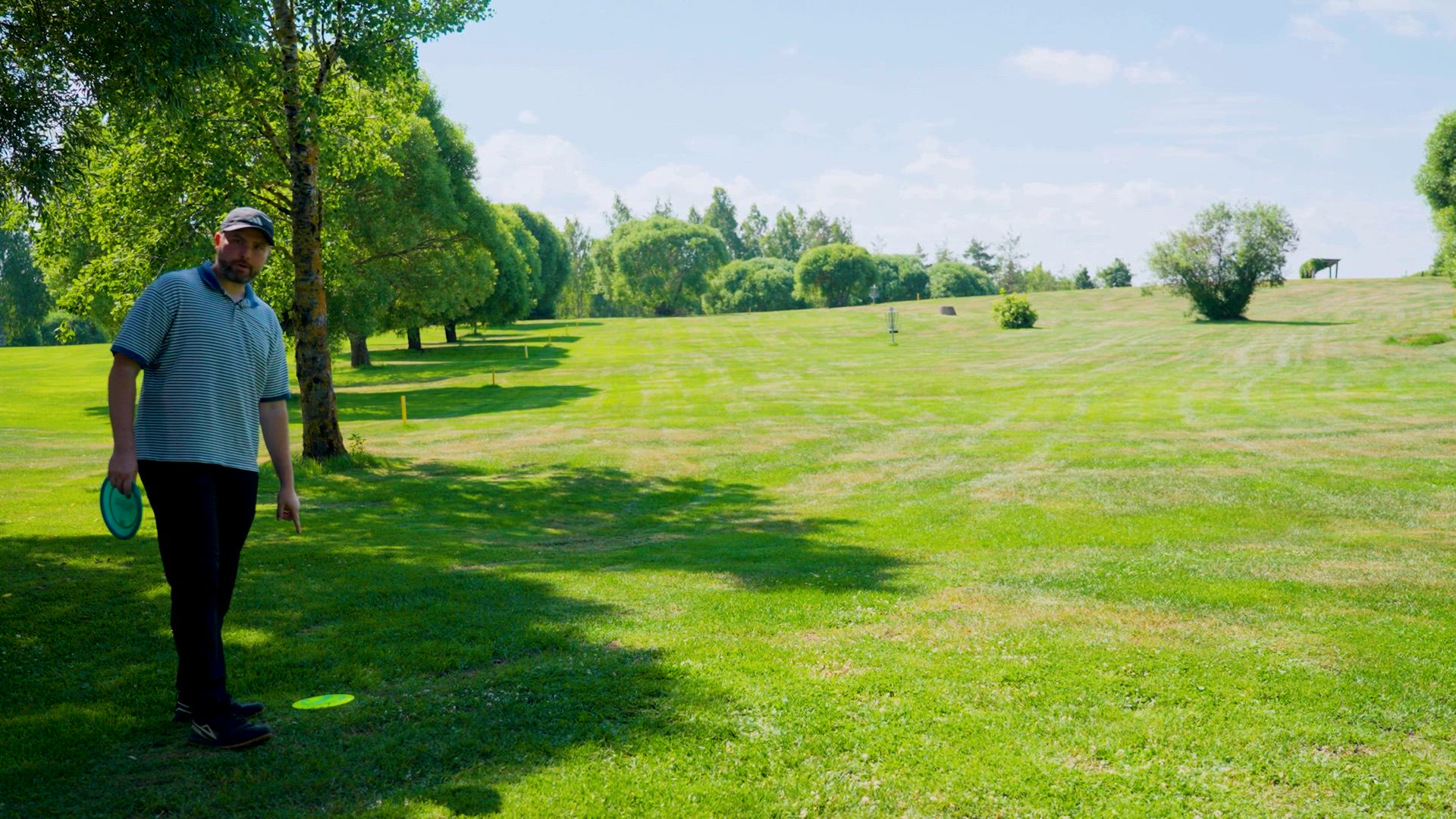
patent-pending, stance, discselection, limits, Brian, Earhart
Exercise - Patent pending
4.
Exercise 2 - compass throwing to elevate your patent pending
1
Exercise 2 - compass throwing to elevate your patent pending
1
02:53
Publish date
A drill from Brian's ultimate frisbee coaching: throw to one target while stepping out in all eight compass directions in turn. It builds real comfort isolating the wrist and keeping your centre of balance centred from stretched-out patent pending positions.
Exercise 2 - compass throwing to elevate your patent pending
5.
Case study - patent pending
1
Case study - patent pending
1
01:11
Publish date
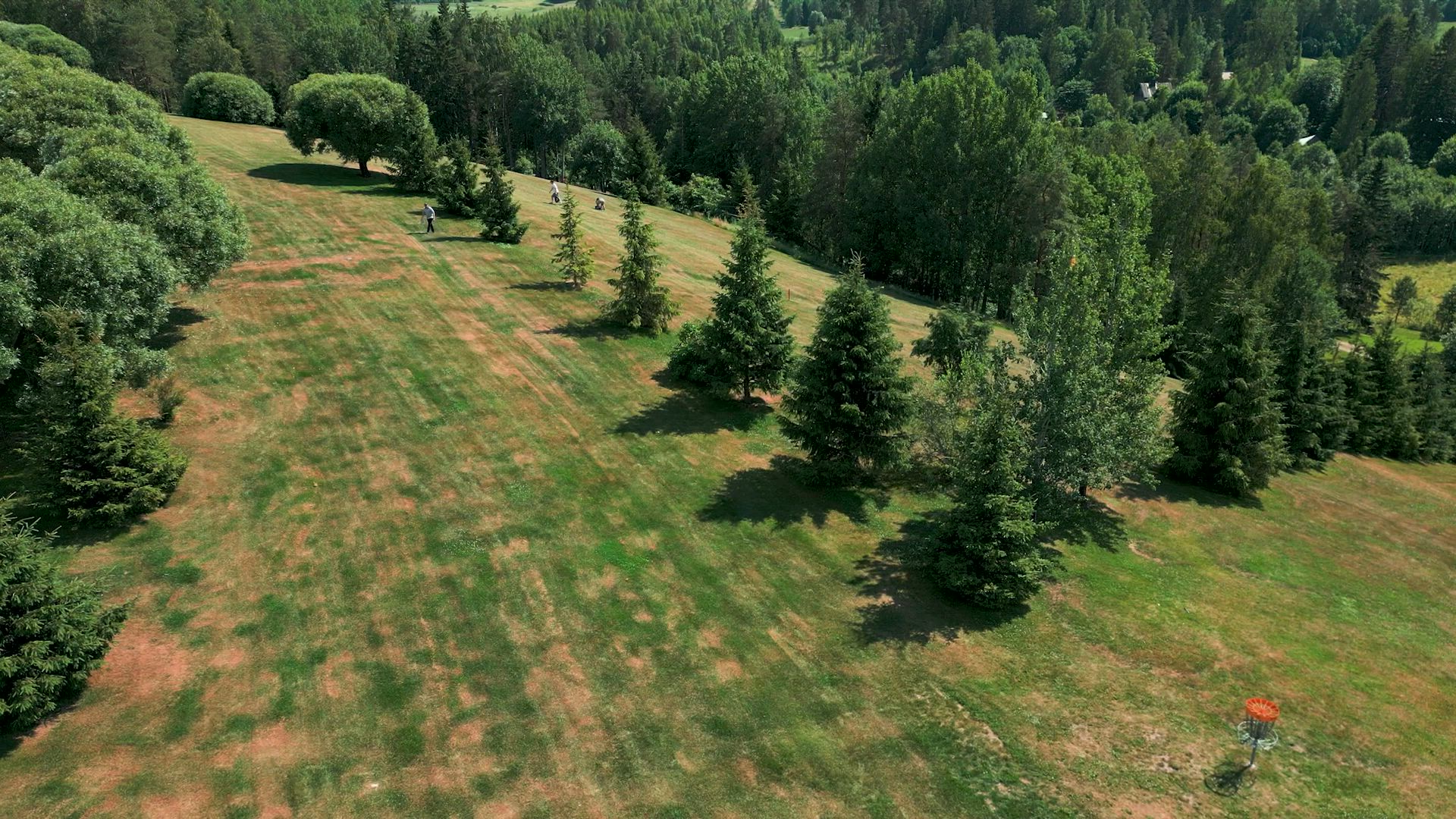
Pinned against a left tree line with no room for a forehand or a backhand. Brian aims to the safe right side of the basket, because missing left means trees and no putt, and plays for circle one rather than a bullseye.
Case study - patent pending
6.
Case study 2 - patent pending
1
Case study 2 - patent pending
1
02:34
Publish date
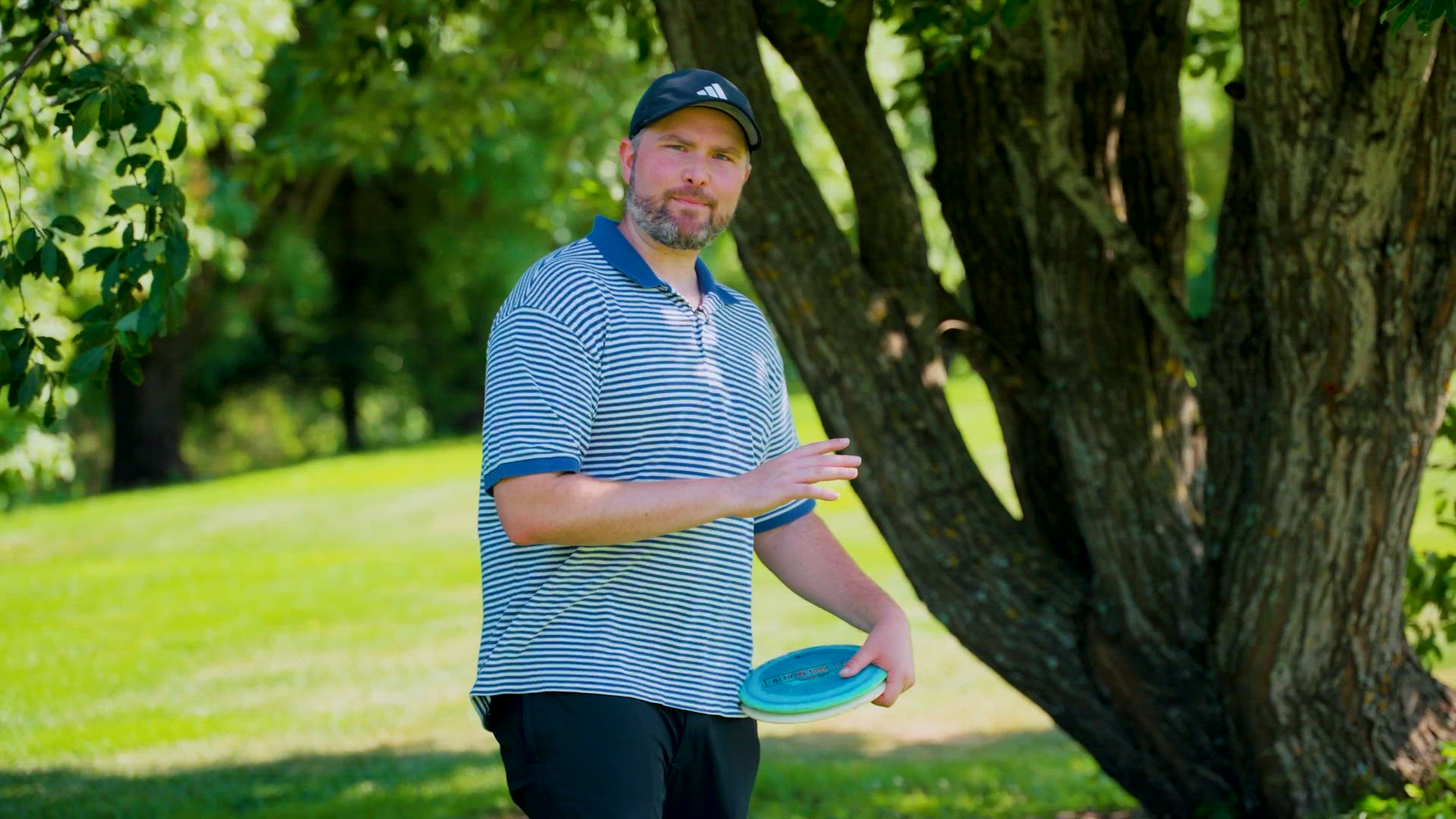
A par 5 lie beside the only tree in the fairway, where a backhand risks slapping your hand into the trunk. Brian shows how to get the most out of this tricky lie without risking your health.
Case study 2 - patent pending
7.
Forehand scrambling techniques
4
Forehand scrambling techniques
4
Publish date
Forehand scrambling techniques
1.
Forehand grip quick tutorial
1
Forehand grip quick tutorial
1
01:52
Publish date
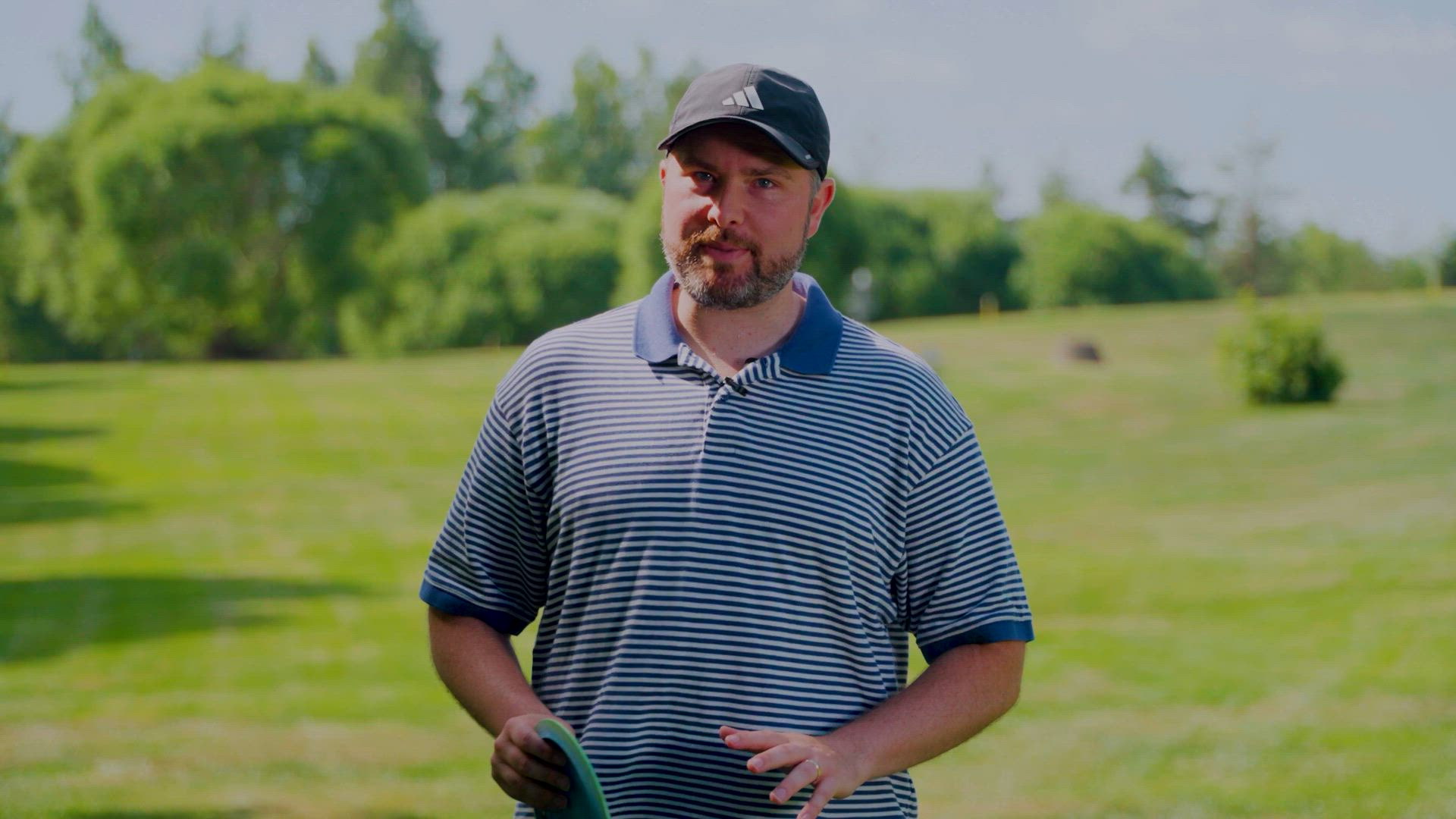
Why a forehand matters even more in a scramble than off the tee: the motion is isolated in the arm and wrist, so it gets you out of lies a backhand cannot. All starts with the right grip.
Forehand grip quick tutorial
1.
Spectrum of follow throughs
1
Spectrum of follow throughs
1
01:47
Publish date
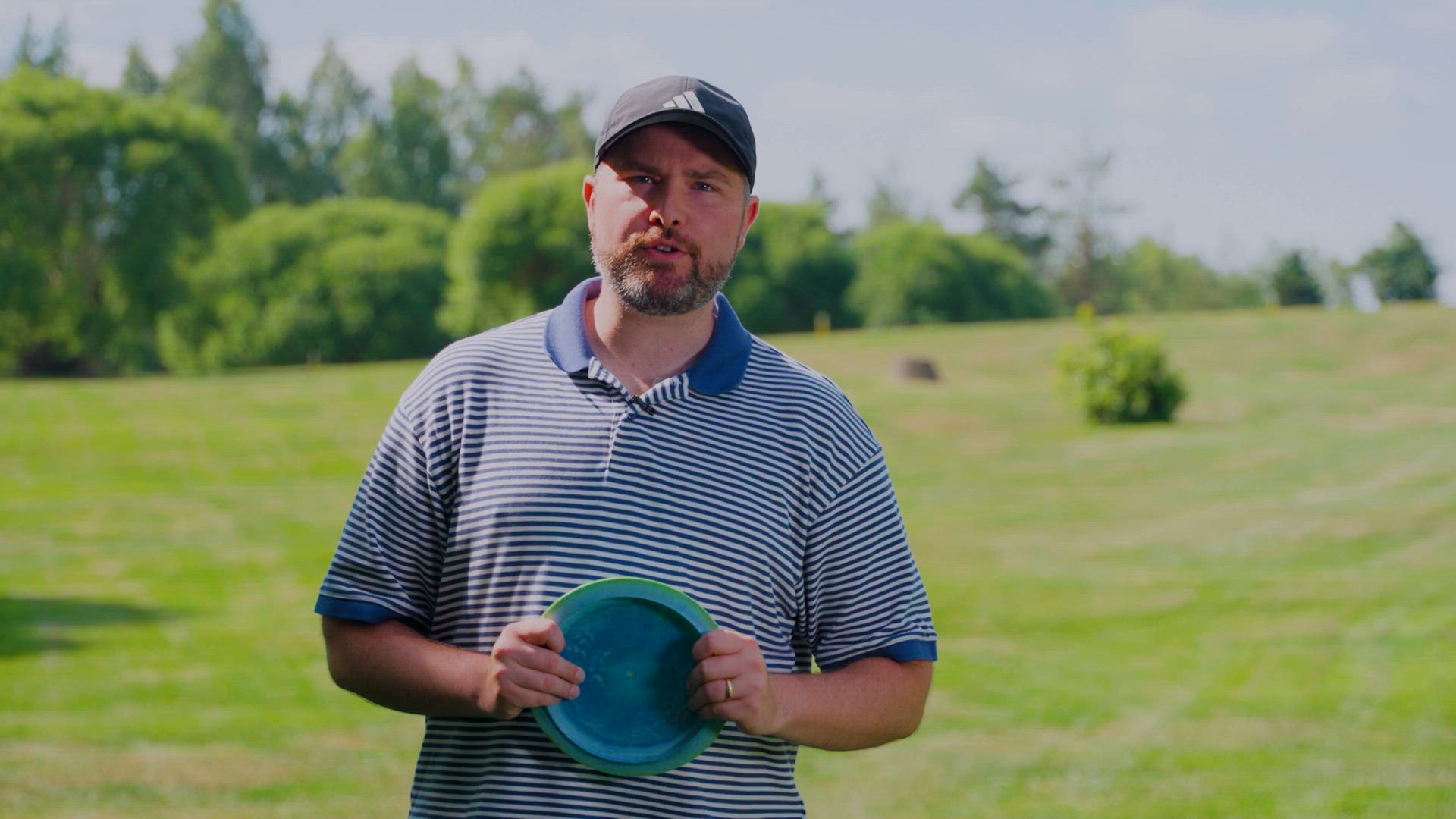
A refresher on the spectrum of follow-throughs. Fast overstable discs need a high release far out in front, slow understable discs need to sit low and back and get popped. Learn to separate a “throw” forehand from a “pop” forehand, because the rest of the module uses both terms.
Spectrum of follow throughs
2.
Example - forehand hollow throughs
1
Example - forehand hollow throughs
1
02:08
Publish date
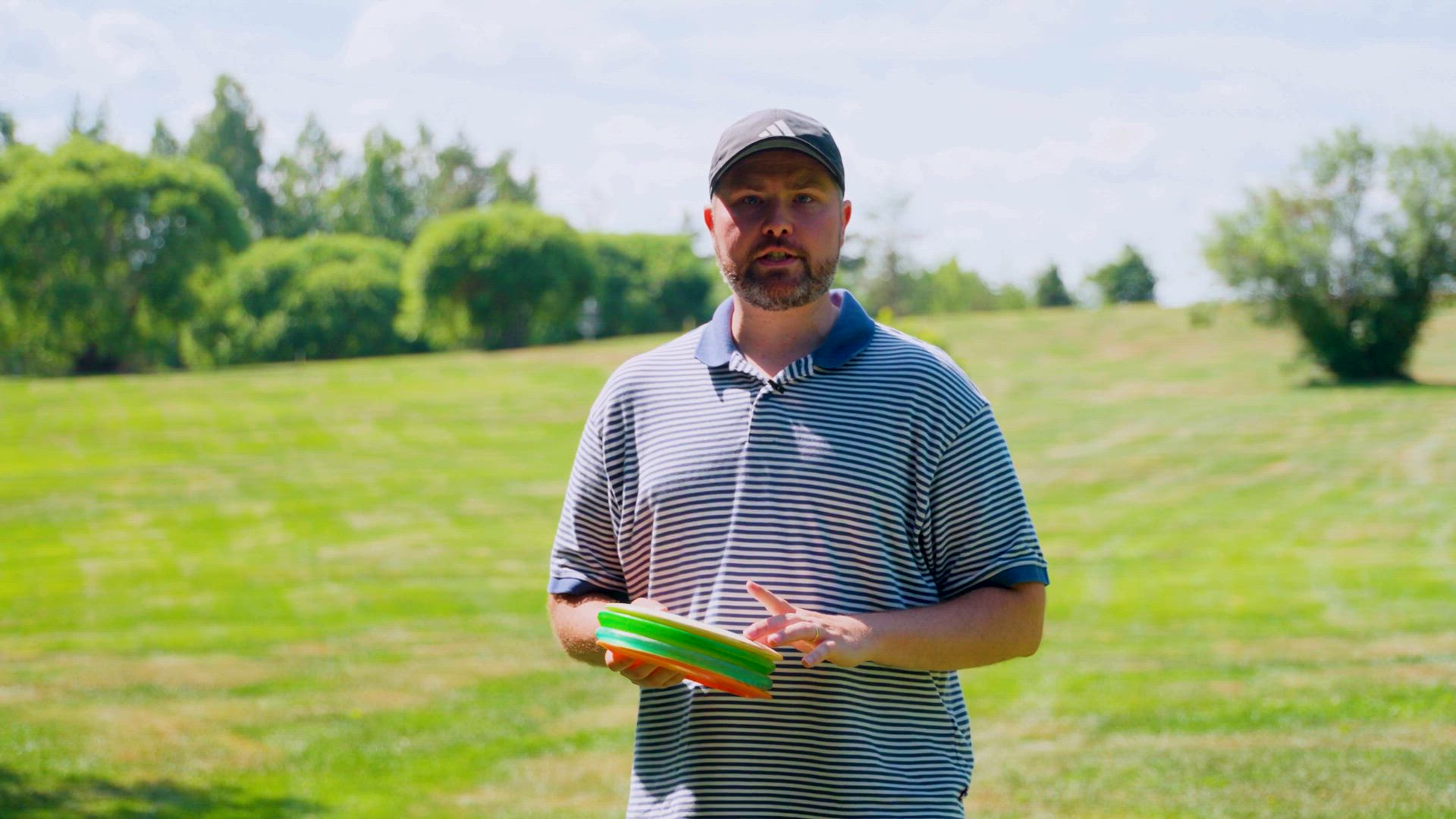
The same shot thrown four ways: fast overstable, fast flippy, slow overstable and slow flippy. Brian contrasts a soft, mellow pop sidearm with a putter against a violently overstable Zone OS line that only finds flat very late.
Example - forehand hollow throughs
3.
Example - follow throughs with drivers
1
Example - follow throughs with drivers
1
02:03
Publish date
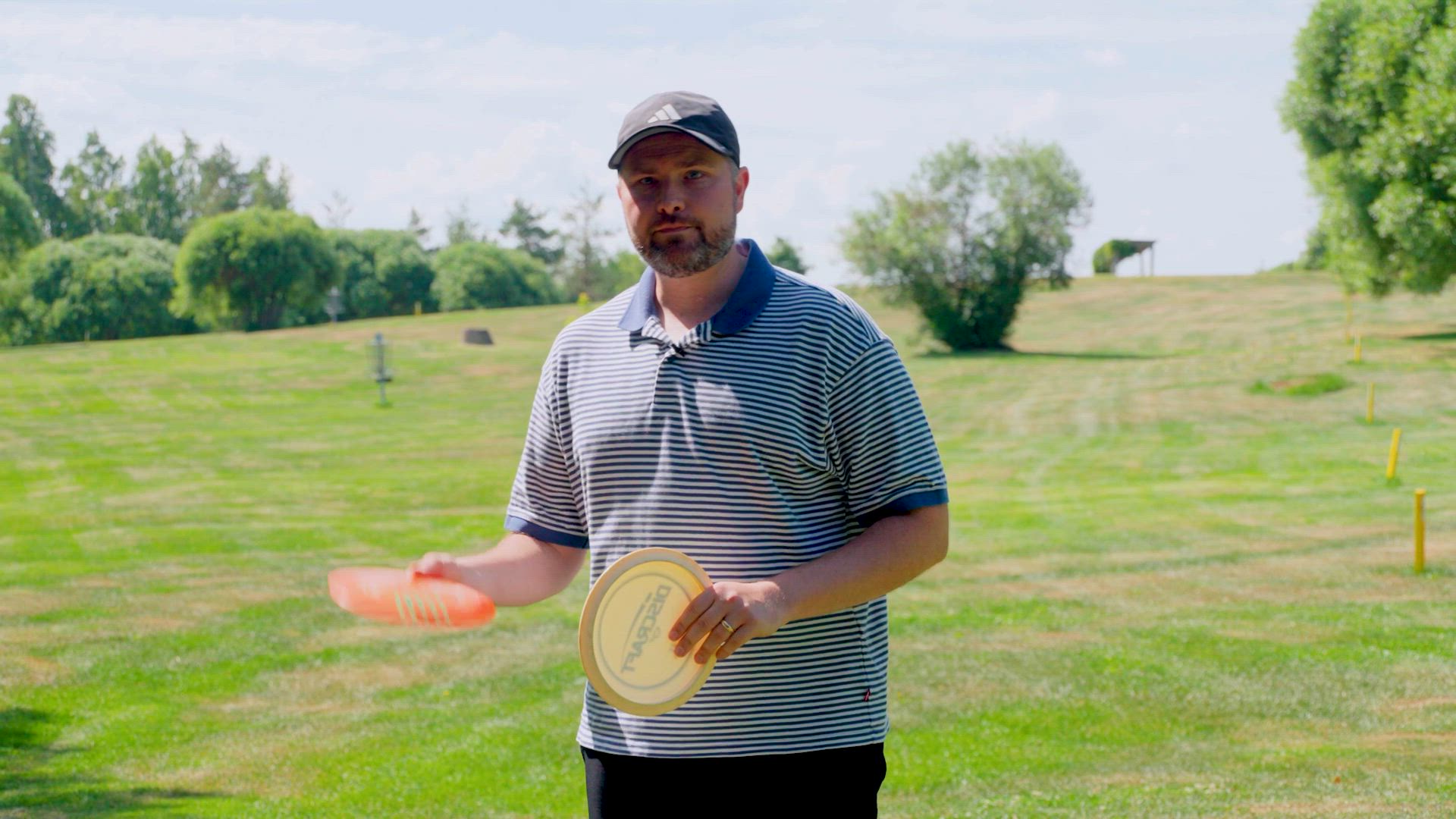
Overstable drivers need speed, nose down and a release far out in front or they stall and die. Understable drivers stay close to the body and get popped on a tight, trapped line that fits the narrow gaps you actually face in the woods.
Example - follow throughs with drivers
4.
Case study - forehand in scrambling
1
Case study - forehand in scrambling
1
02:37
Publish date
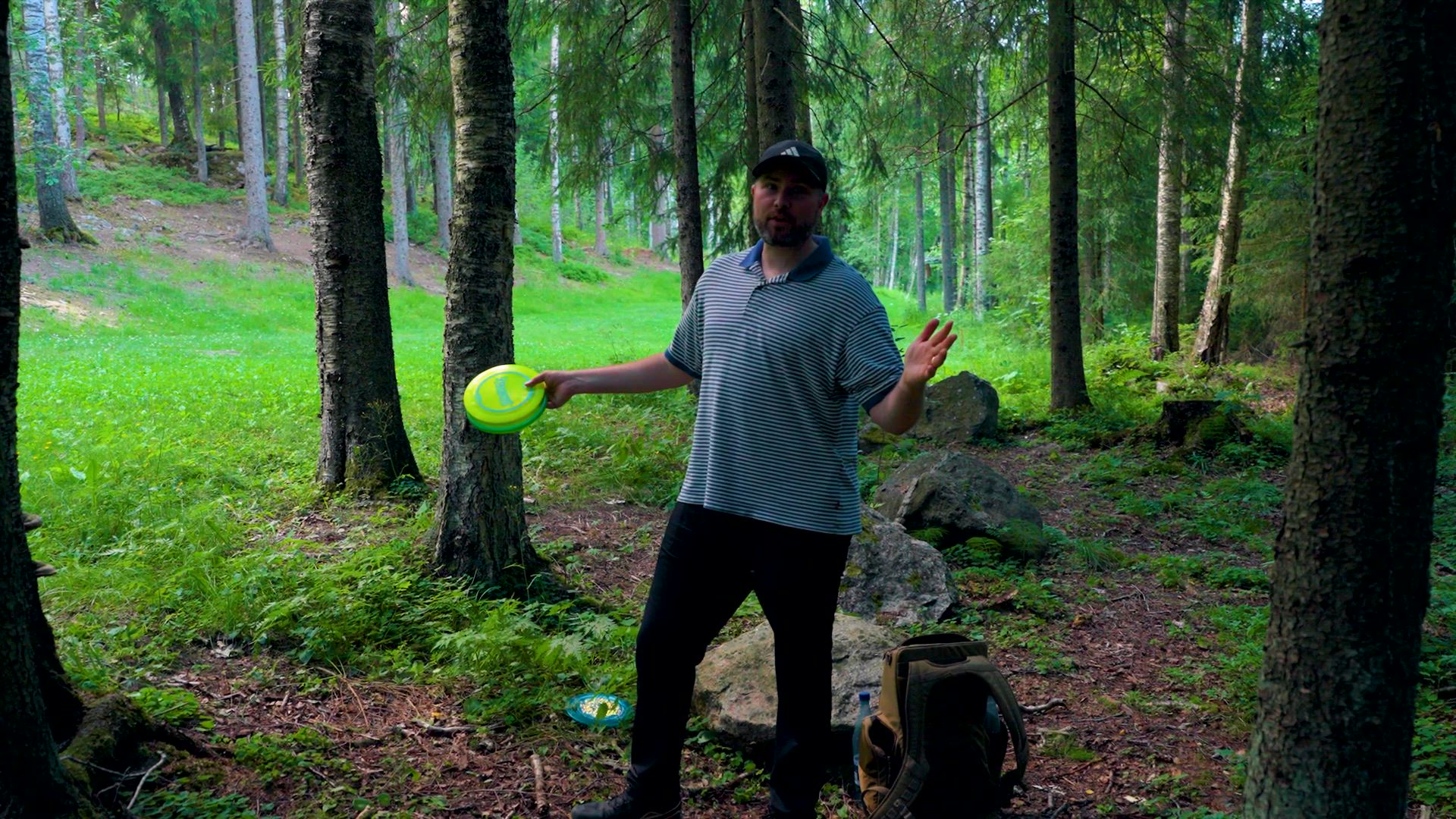
Off the fairway with OB down the entire right side, Brian accepts getting there in three rather than forcing a hero line. He throws a very overstable disc high, trusting it to return to flat in the middle of the fairway.
Case study - forehand in scrambling
5.
Overhand techniques
5
Overhand techniques
5
Publish date
Overhand techniques
1.
Basics of overhand shots
1
Basics of overhand shots
1
04:51
Publish date
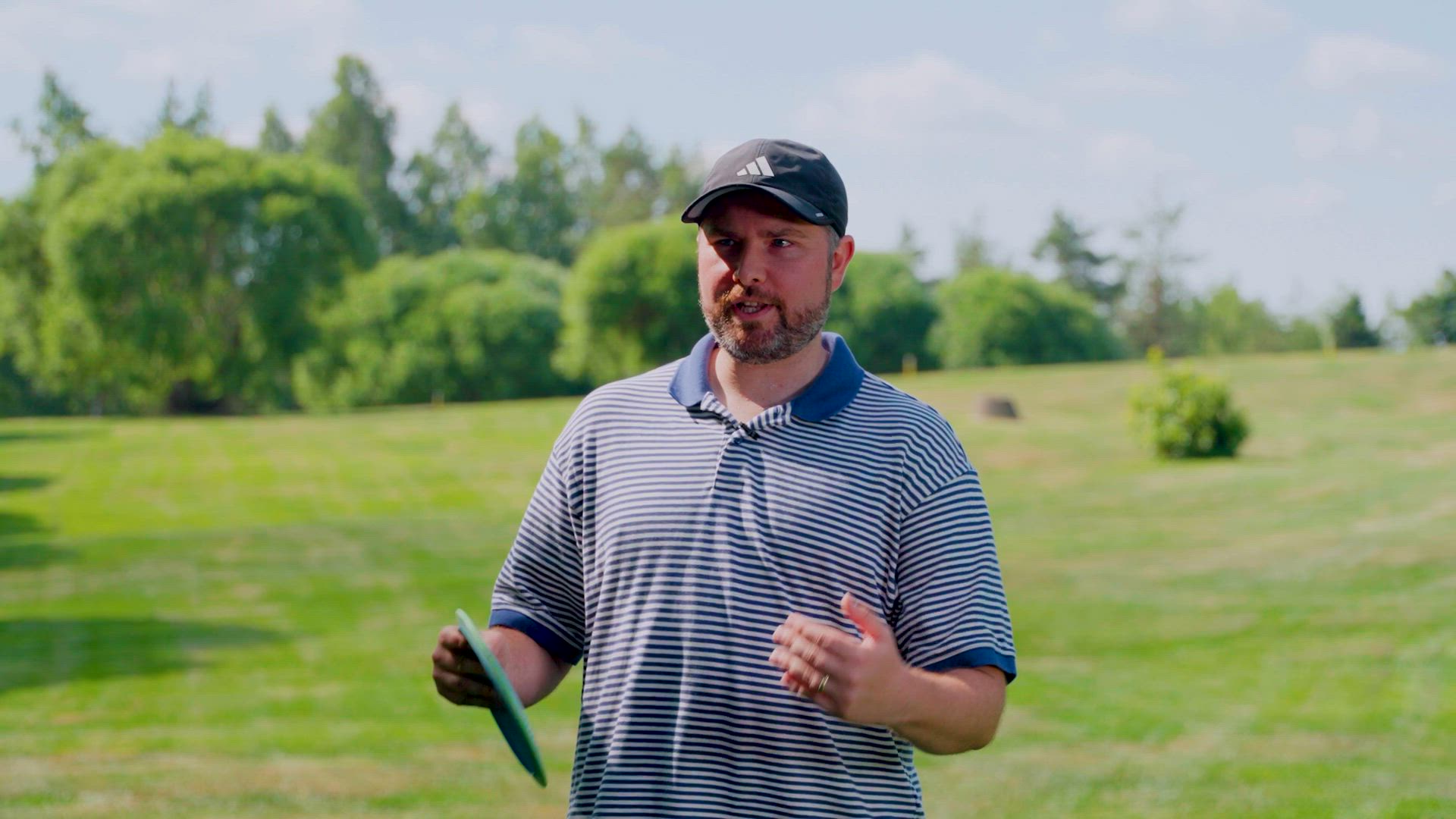
Grips, arm slots, and disc stability for both overheads, with an honest warning to respect your shoulder and warm up first. Seriously. Warm up before doing these shots.
Basics of overhand shots
1.
Exercise - overhead thumber
1
Exercise - overhead thumber
1
03:08
Publish date
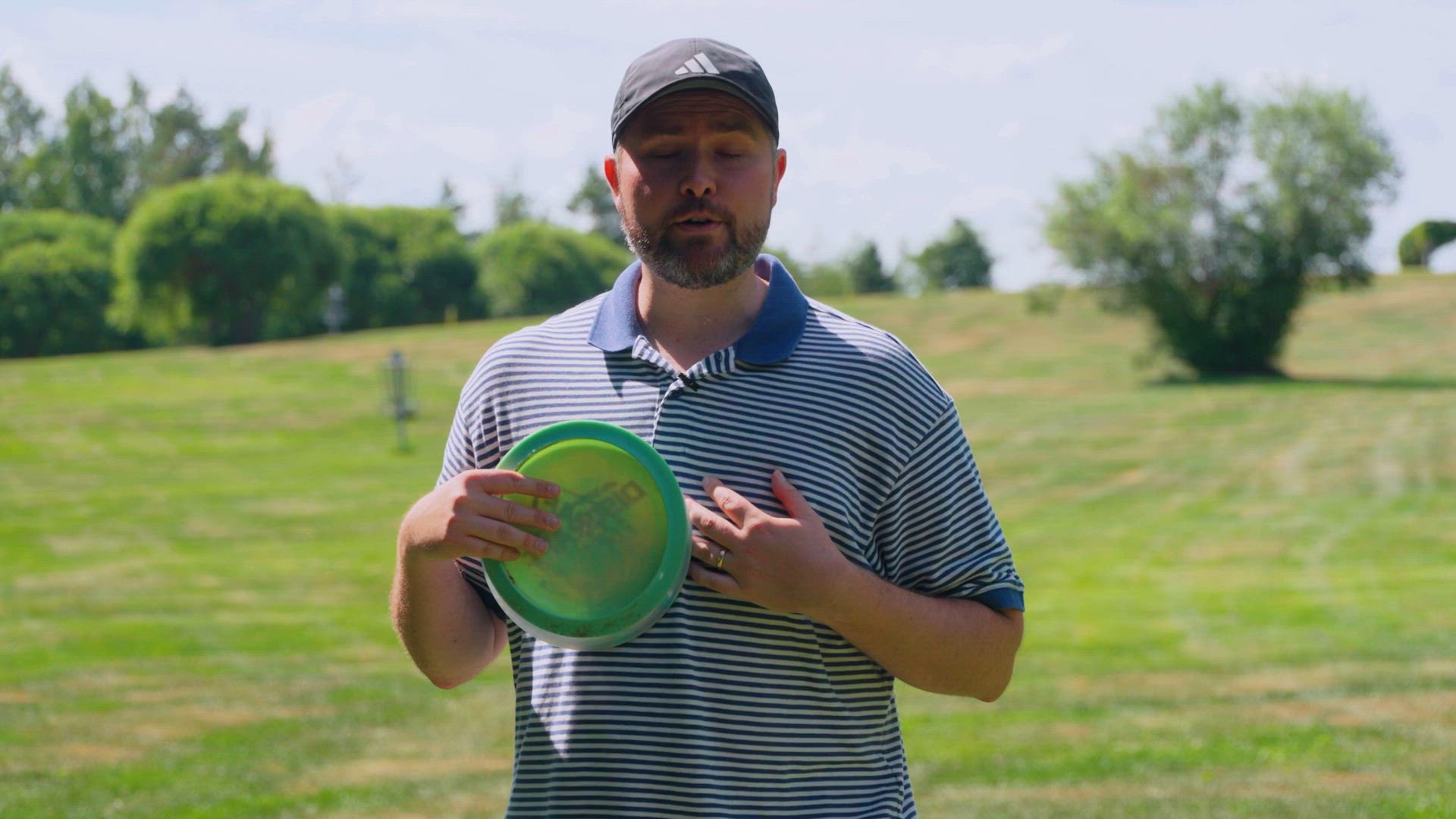
A 200-foot thumber is all a scrambler really needs, and Brian shows the grip and the release point he uses. Pick a spot in the sky, throw something stable, and let it land on its back rather than risking ground play.
Exercise - overhead thumber
2.
Exercise - overhead tomahawk
1
Exercise - overhead tomahawk
1
01:35
Publish date
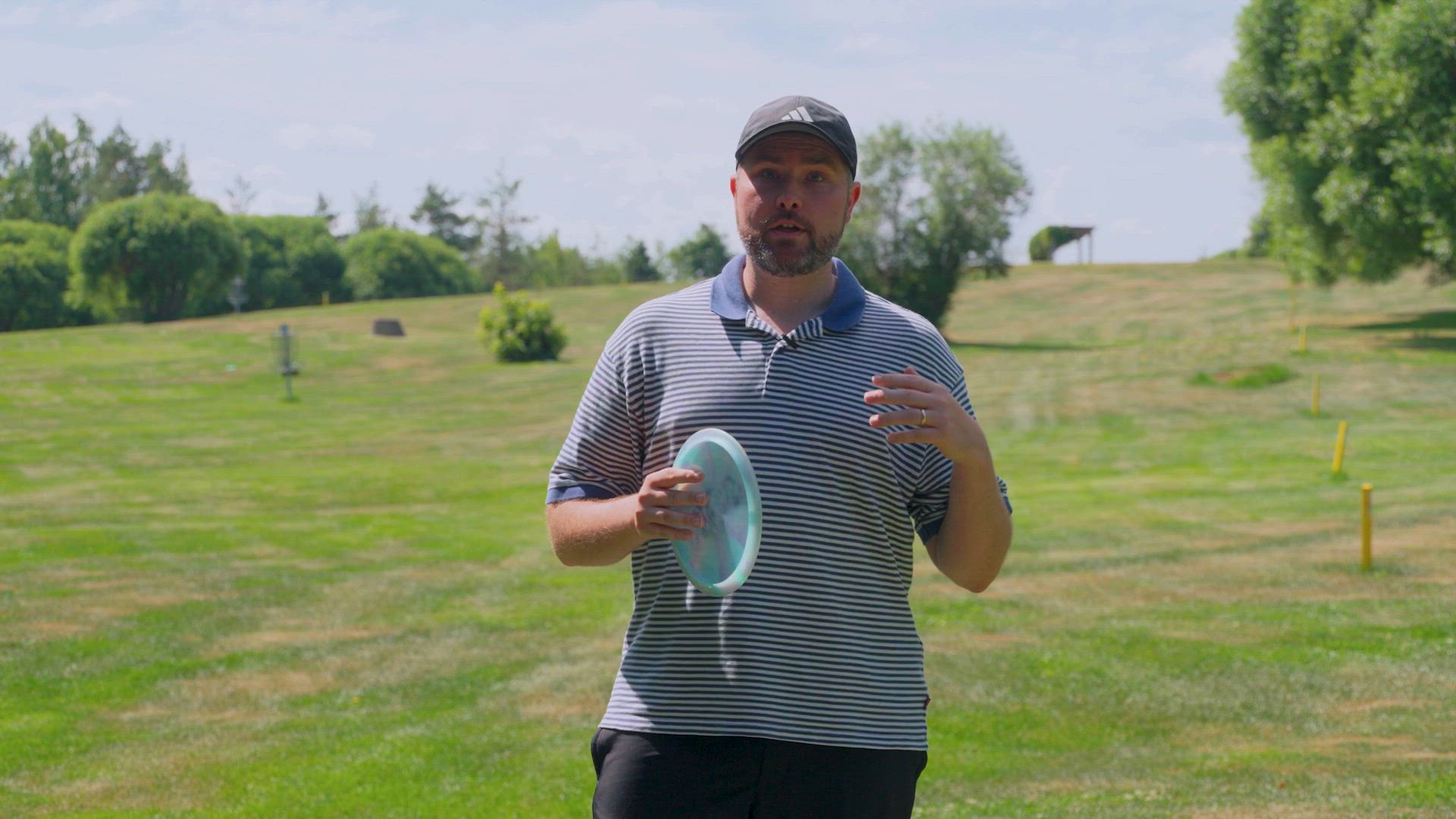
The tomahawk pans the other way from a thumber. Release closer to 12 or even 11 o'clock, past vertical. With a slightly understable disc, force it over vertical and let the disc do the work on the way down.
Exercise - overhead tomahawk
3.
Rollers or throwing the disc on the ground deliberately
6
Rollers or throwing the disc on the ground deliberately
6
Publish date
Rollers or throwing the disc on the ground deliberately
1.
The basics of a forehand roller
1
The basics of a forehand roller
1
04:58
Publish date
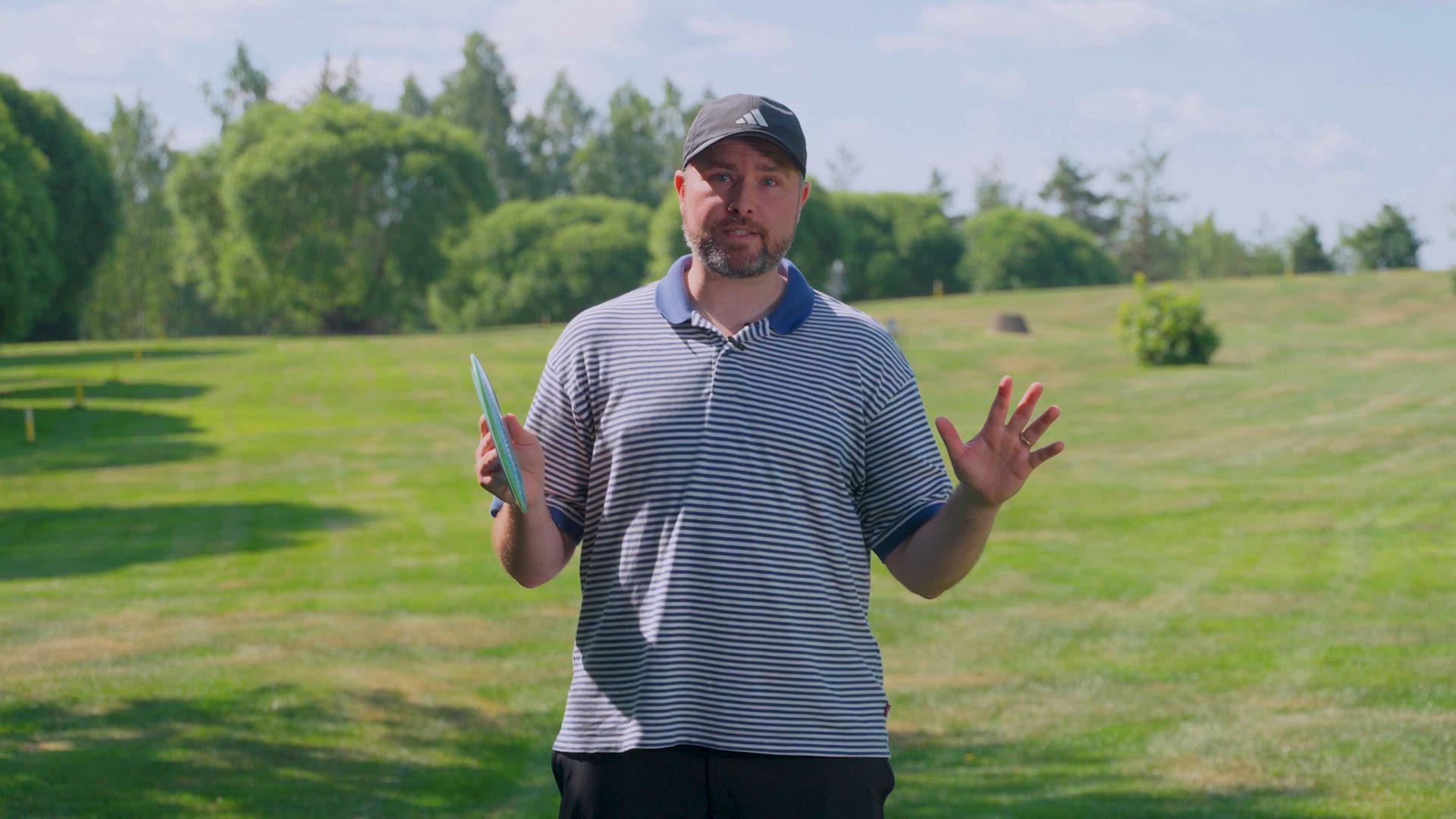
Brian calls the forehand roller the single best scramble tool for anyone who plays in the woods, and explains how disc stability, throwing speed and ground angle decide where it curls.
The basics of a forehand roller
1.
Rollers and wind
1
Rollers and wind
1
01:40
Publish date
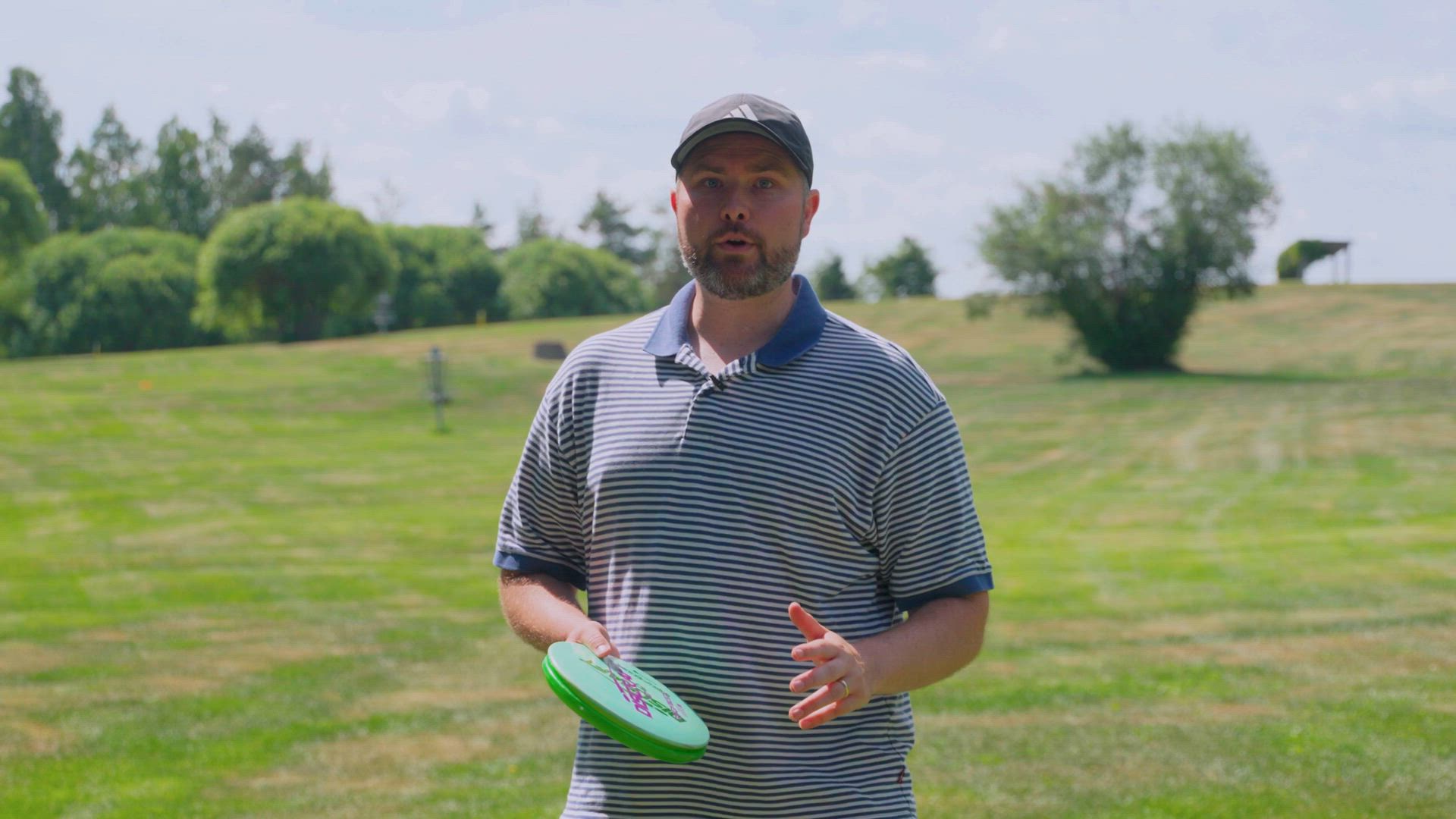
Rollers are sails standing on the ground, so crosswind is either your best friend or your worst enemy. Wind into the bottom of the disc keeps it rolling and running; wind on the top curls it over early and headwinds and tailwinds behave just like any other shot.
Rollers and wind
2.
Exercise - Forehand roller
1
Exercise - Forehand roller
1
03:50
Publish date
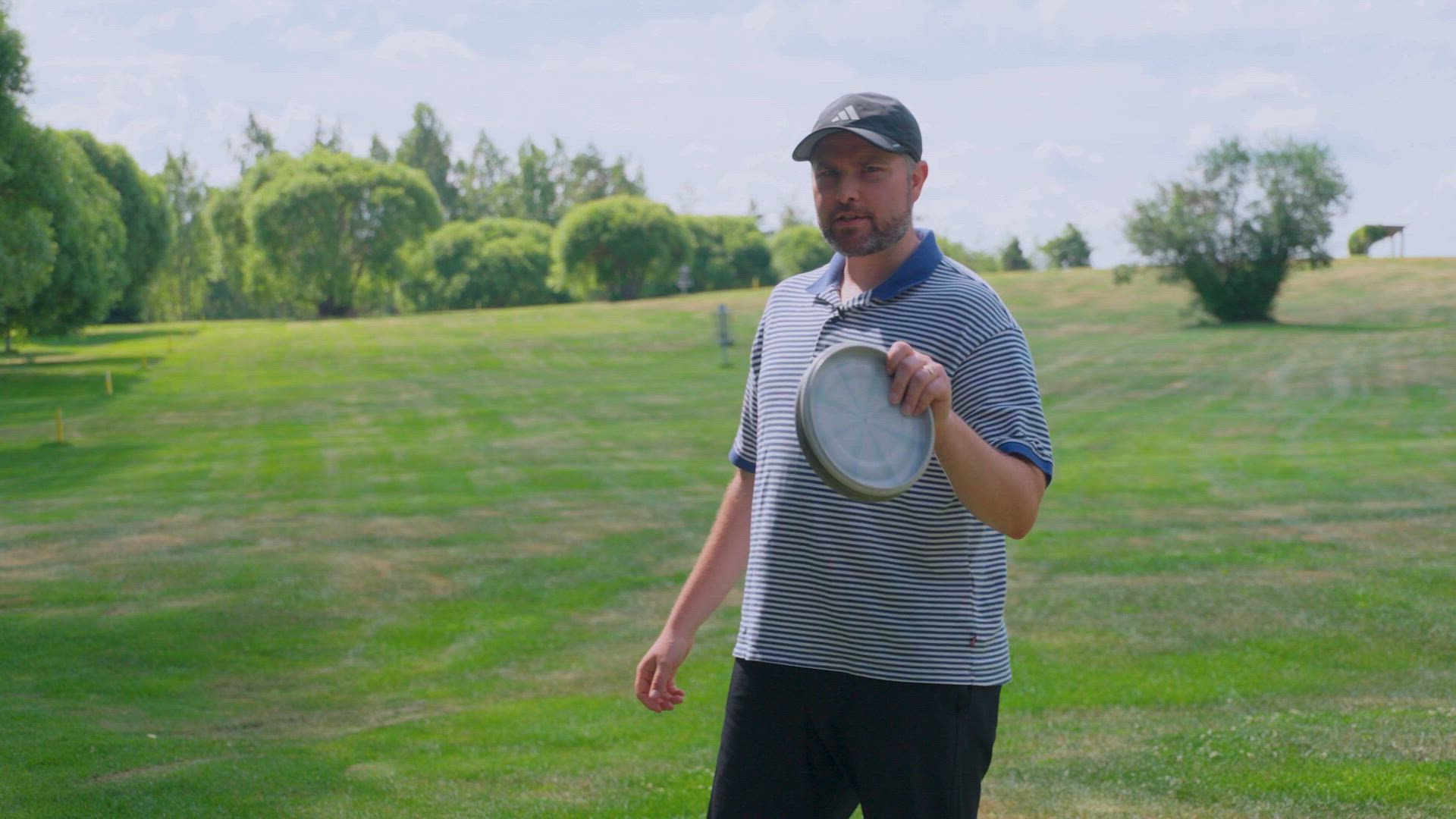
Start with wide, thick putters in an open field and just experiment with the elbow-out flick — no giant throwing motion needed. The secret weapon is an overstable approach disc like a Zone, which rolled roughly 80 feet farther and straighter than the putters, with no change in technique.
Exercise - Forehand roller
3.
The basics of a thumber roller
1
The basics of a thumber roller
1
00:47
Publish date
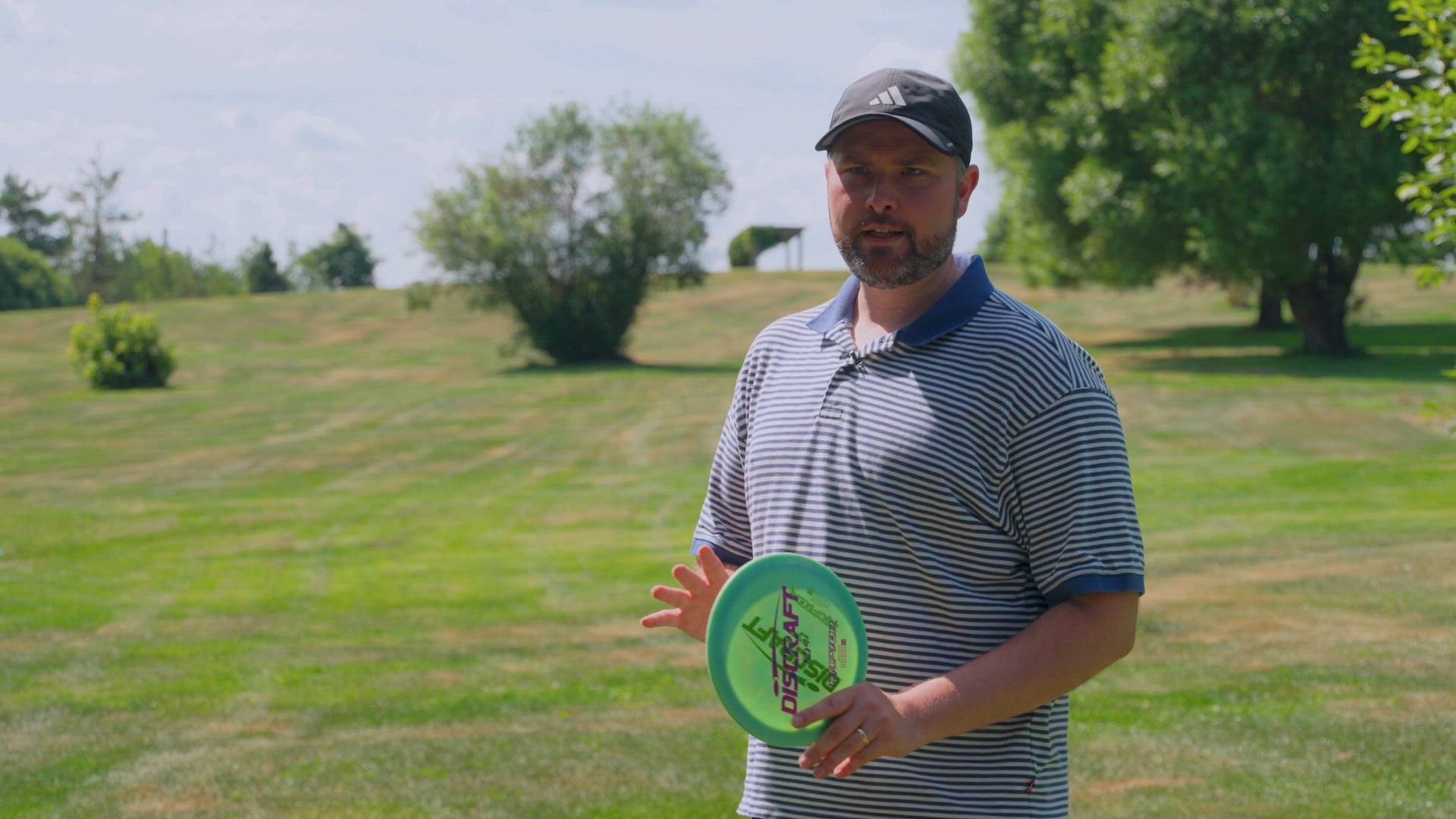
Flip the roller grip upside down and release near or past vertical to get a roller that fades the opposite way to a forehand roller. Harder to land at the right angle than a cut roller, but an easier finish once you own it.
The basics of a thumber roller
4.
Mastering the cut roller
1
Mastering the cut roller
1
01:15
Publish date
A true cut roller hits the ground on the cut angle and finishes on its belly instead of falling onto its back. With something as overstable as a Zone OS you can release nearly vertical and trust it to roll back toward the pin.
Mastering the cut roller
5.
Trick shots for scrambling connoisseurs
7
Trick shots for scrambling connoisseurs
7
Publish date
Trick shots for scrambling connoisseurs
1.
Intro to trick shots
1
Intro to trick shots
1
00:39
Publish date
A short bridge into the trick shot section and why these count as real scramble skills rather than party tricks. Previews the turbo putt, the scoober, the grenade, and the Jerm step.
Intro to trick shots
1.
Basics of a scoober
1
Basics of a scoober
1
01:52
Publish date
Brian's favourite trick shot, carried over from ultimate frisbee, for clearing a bush or putting when only a high release is available. Hold it at 45 degrees off the shoulder, load it with a lean to create lag, then pop the wrist so the disc catches nose down.
Basics of a scoober
2.
Case study - scoober in action
1
Case study - scoober in action
1
01:56
Publish date
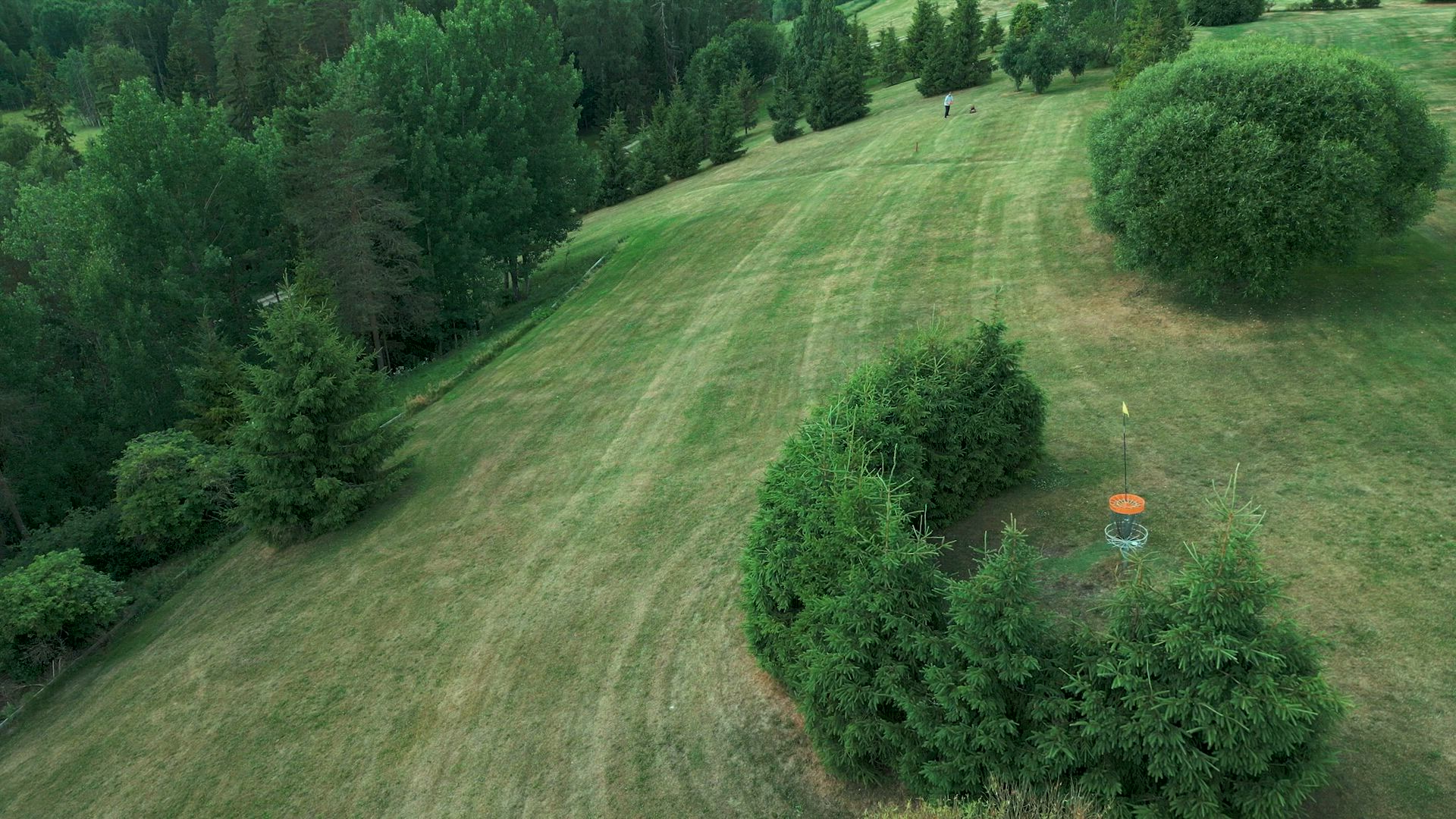
Facing a wall of small trees with no route to the basket, Brian throws the scoober straight over the top. Because it has no glide it simply falls flat on its back, so wind matters less.
Case study - scoober in action
3.
Basics of a grenade
1
Basics of a grenade
1
02:06
Publish date
The grenade is the spikiest possible spike hyzer — straight up, straight down. This makes it the most point-and-shoot way to clear a tree line. Compares the claw grip with Brian's flipped backhand grip, and stresses hinging at the hips for posture.
Basics of a grenade
4.
Exercise - The Grenade on a field
1
Exercise - The Grenade on a field
1
02:15
Publish date
When every gap to a basket looks bad but there is a pocket above the tree line, the grenade is the easiest up-and-down available. Grip firmly, pick a point in the sky, and wait to release much higher than you would on a normal backhand.
Exercise - The Grenade on a field
5.
Basics of a turbo putt
1
Basics of a turbo putt
1
01:51
Publish date
For obstructed lies on the green, the turbo putt gives you a chance where a normal putt gives you none. Thumb in the middle of the flight plate, four fingers on the rim, push it forward and spin it toward the basket.
Basics of a turbo putt
6.
Basic of a Jerm Putt
1
Basic of a Jerm Putt
1
01:35
Publish date
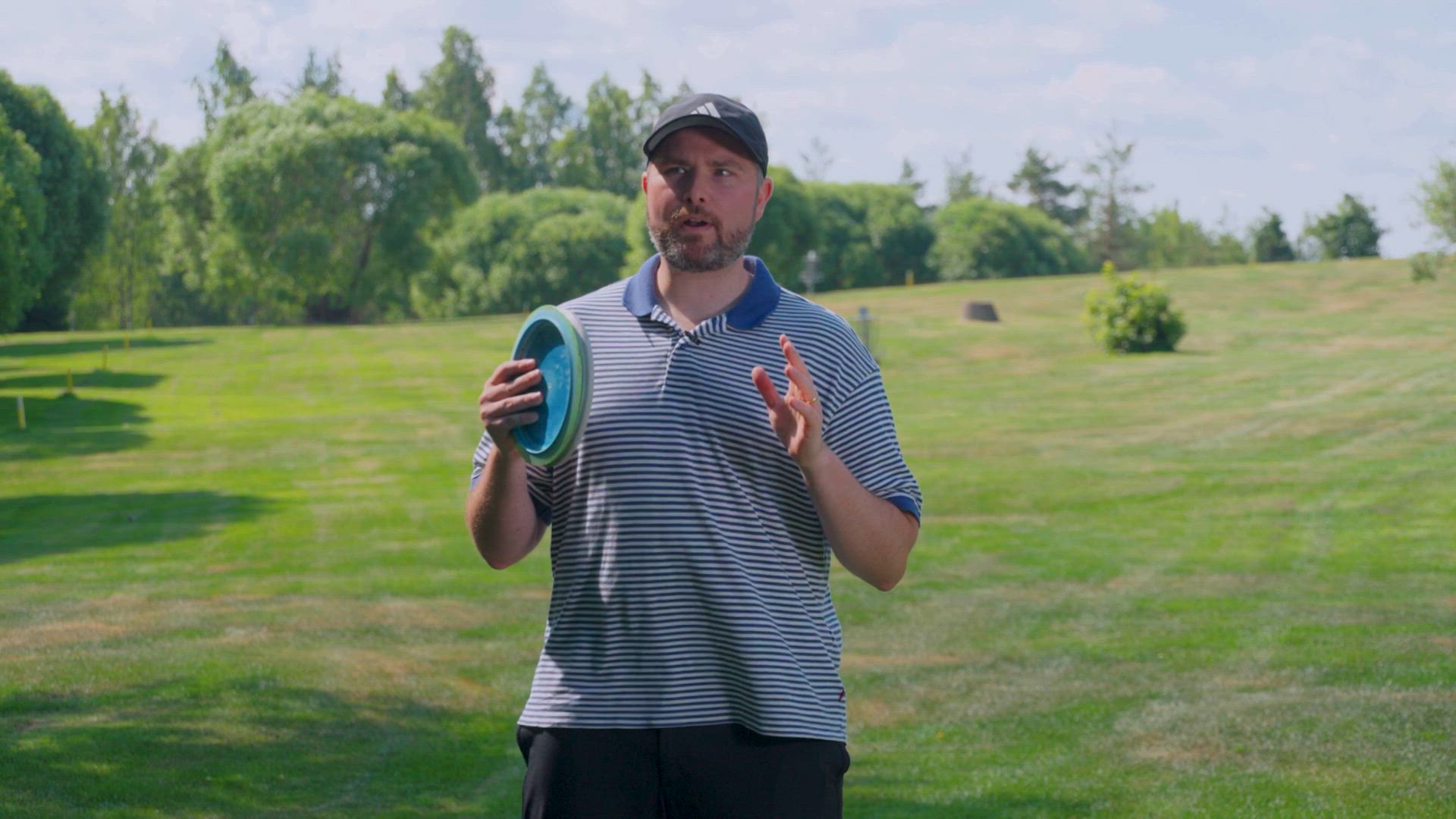
Outside C1 you are allowed to follow through past your lie, so you can start in front of a bush and throw before your front foot lands. Popularised by Jeremy Koling and used by pros like Chris Dickerson and Barry Schultz, it is a legal and underused (maybe for a reason) part of the rulebook.
Basic of a Jerm Putt
7.
Case study - Jerm Putt in action
1
Case study - Jerm Putt in action
1
03:56
Publish date
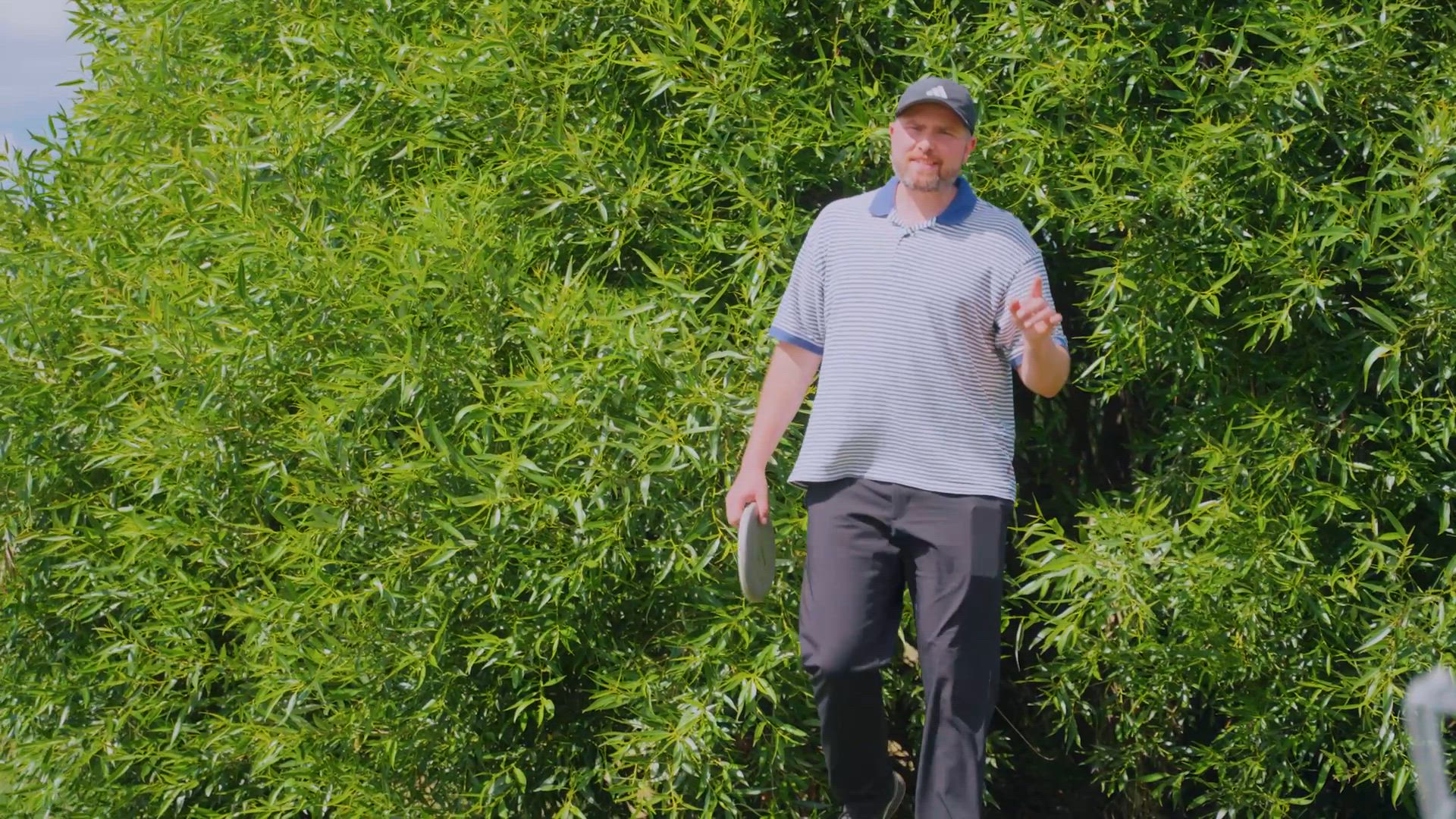
From an obstructed lie just outside circle one, Brian steps out so an 11-metre putt plays like nine. A second, more aggressive demo clears a tree line for a circle two spin putt, and shows how to back into position without disturbing anything.
Case study - Jerm Putt in action
8.
Closing words for the course
8
Closing words for the course
8
Publish date
Closing words for the course
1.
Take your ego out of the play
1
Take your ego out of the play
1
01:43
Publish date
The closing psychology lesson: your ego gets loudest exactly when the lie gets worse. Nnotice the self-talk and tell it to be quiet. Like the middle game in chess, a scramble is always the most unpredictable and at the same time the most interesting part of the game.
Take your ego out of the play
1.
Closure
1
Closure
1
00:57
Publish date
Thank you for watching! Stay present instead of rushing to finish the round, because you can't practice every scramble situation, but you can raise the odds by practicing these tips.
Closure
2.

You might also like
FAQ - Frequently asked questions about Scrambling
Scrambling is a word describing a situation where the player misses the fairway or the green and is forced to play outside the fairway to save a par. The word scramble is often used in a situation where someone is playing outside the fairway and trying to save strokes, even if the score is going to be over par, but in layman's terms it goes like this: the disc flies to the woods, player gets out and saves par.
What does Scrambling mean?
When you go to tee and check out the wind, the shape, distance, and other factors by nature, Brian suggests you bring the same mindset to your scramble situations. It pays to take that extra time to figure out what you'll actually do from that lie, since every scramble is a new challenge. Matching the challenge to your own set of skills will create the optimal outcome for you at that time, and sometimes the odds are not in your favor, but hey... that's the name of the game for all!
Brian talks about analyzing the shot like you are on a teepad. What does he mean by that?
Patent Pending is a type of shot where you reach sideways from your lie with your backhand side to have a favorable shot from an obstructed lie. Let's say you have an obstacle in front of your lie, and you have no space to reach to your right and hit a forehand line for a right-handed player (RHBH). This way you can reach out to your left, parallel to your lie, and throw a backhand to gain some distance over just pitching out to a better lie. It is good to remember that the stance eliminates the lower body rotation from the shot, so do not expect to gain as much distance as from your regular backhand. Yanking and lower back torque can cause severe injury if this shot is not executed with a good finesse, so practice on a field first to get it right and remember to warm up!
What is Patent Pending and when do I use it?
Both are overhand throws where the disc is thrown more like a javelin than a frisbee or a ball. The key difference is in the grip. Tomahawk grip is your basic forehand grip, where the index and middle finger are tucked inside the rim. The thumber as the name implies is held the other way around, almost like flipping the disc on your hand, and gripping the rim with your thumb. Some like to bring the index finger against the leading edge of the disc like you would be holding on to a pistol.
The key difference is in the flight. For a right-handed player the Tomahawk turns right or it does a complete turn and goes first right and then pans left. The thumber does the opposite. A Thumber turns left or for a more understable disc, it turns left and then right.
The key is in the stability of the disc. For a stable disc the disc pans to it's back for both throws but you can also get the shot to do a complete turn with an understable disc.